How we made plastic recycling possible for anyone
The shredder
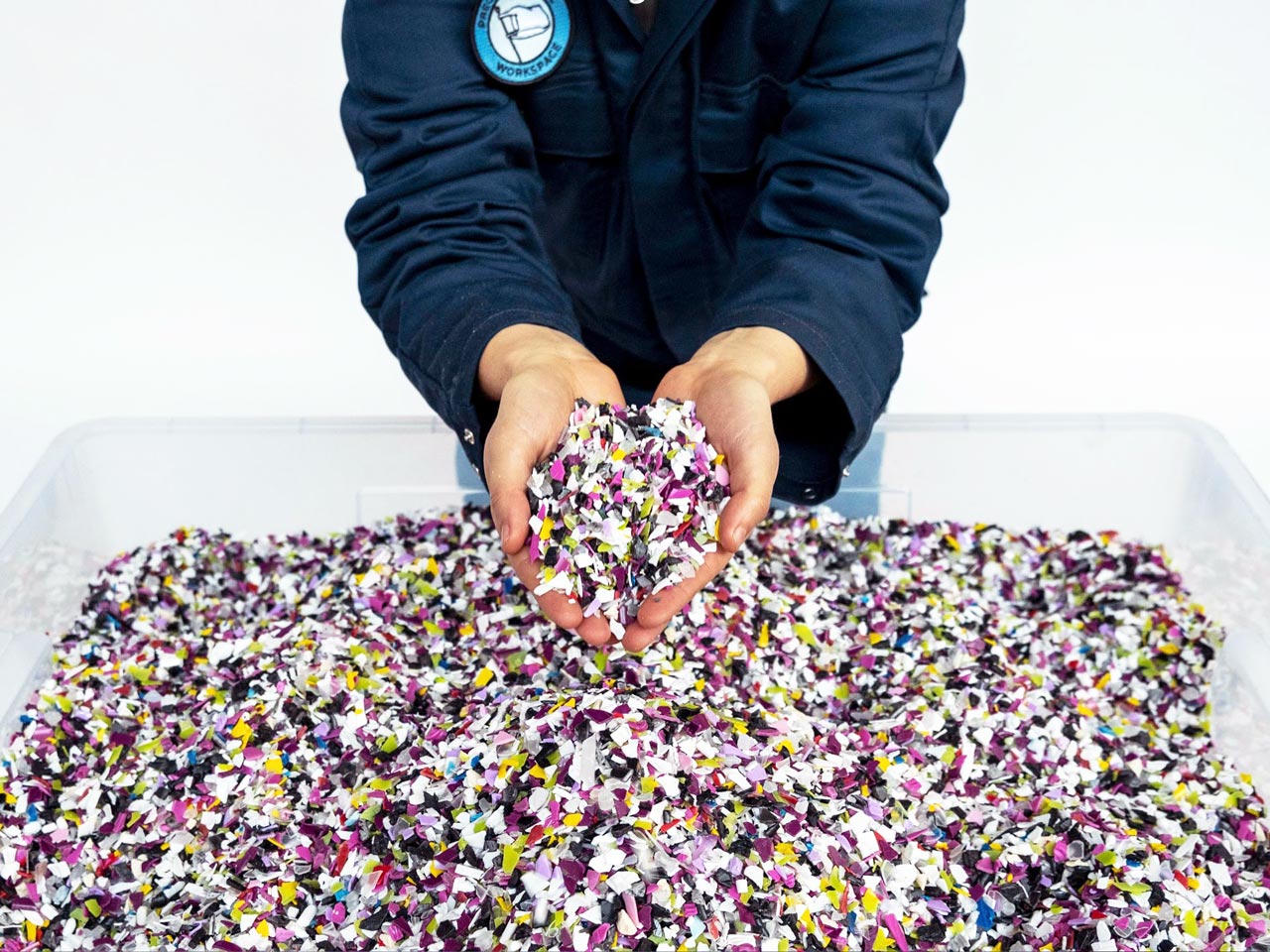
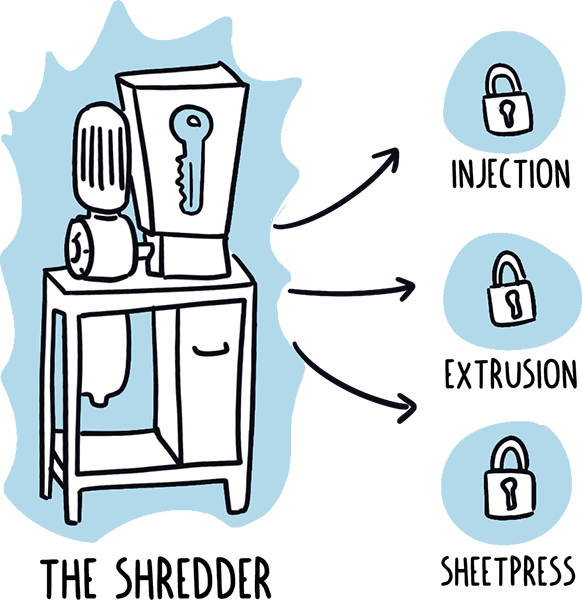
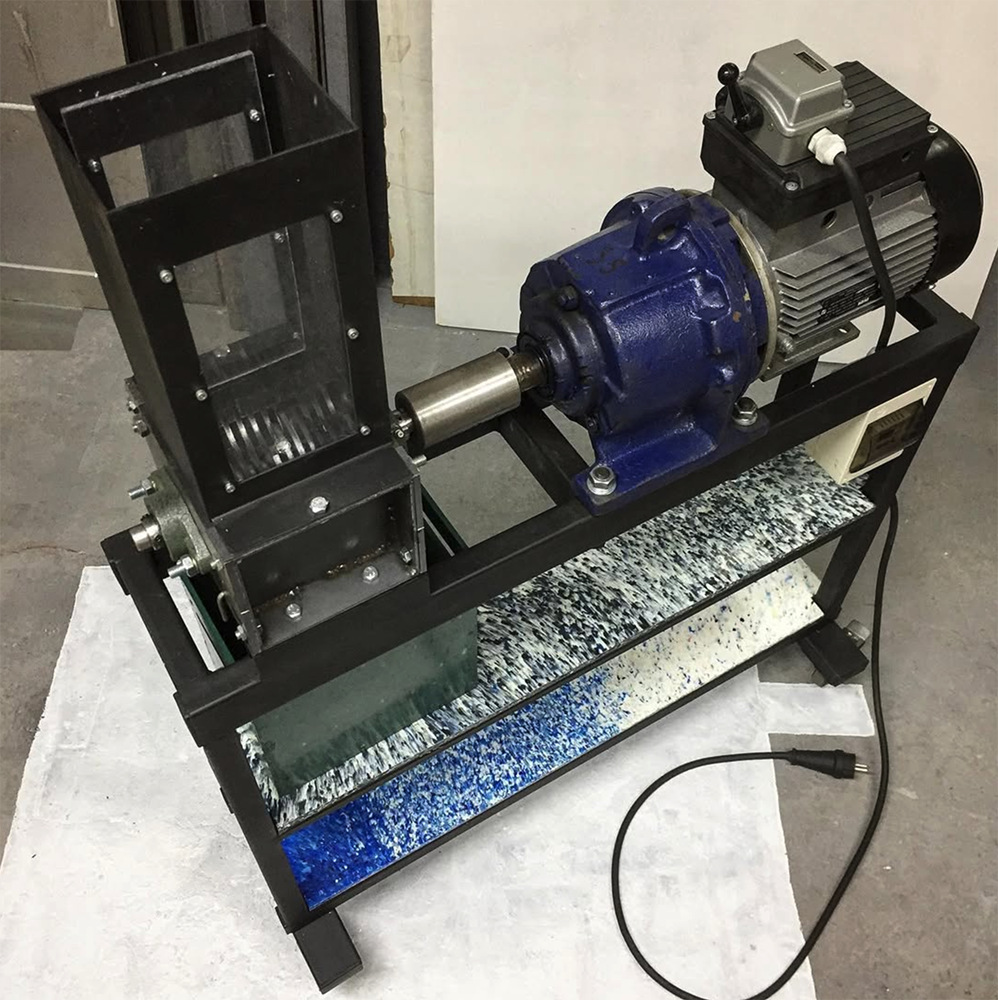
The shredder breaks plastic waste down into small, clean flakes. It is the first step in every recycling process, and the one machine no workspace can do without. Make this one machine easy to build, and you make recycling possible almost anywhere.
Impact in numbers
1,7 million
How-to videos view
On the "Build the shredder" video, as of July 2026
?
7.421
Blueprint Downloads
On the Shredder 3.3 and Shredder 2.1, as of July 2026
?
+1000
Total Builds
Data from bazar sales, Platform profiles and Instagram accounts
?
51.826
starter kit downloads
Downloads of the Shredder Workspace Starterkit, as of July 2026
?
The Problem
You cannot recycle plastic without shredding it first. A bottle or a bucket is useless until it becomes flakes, and flakes are what every other machine needs to make something new. So the shredder is where it all begins.
The trouble is that shredding plastic takes serious power. A blender will not survive it. When we started, the only machines that could do the job lived in the industrial world. They were large, heavy, expensive, and often needed a second machine, a granulator, next to them, which doubled the cost again.
If regular people were going to recycle their own plastic, that machine had to exist at a small scale. It did not. So we set out to build one.
What We Did
We did not get it right. Not for a long time.
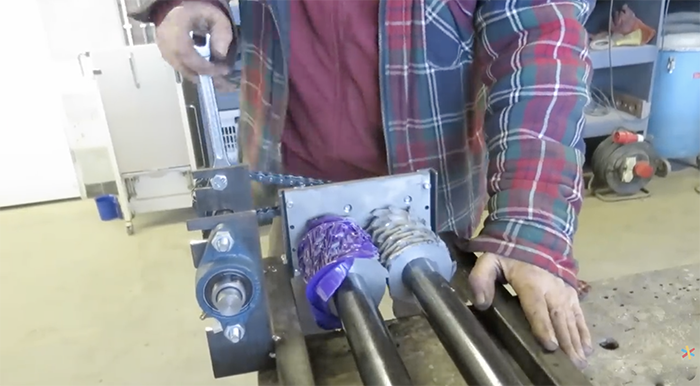
Our first shredder simply did not shred. We built a high-speed version, and whatever we threw in came straight back out. We tried mounting saw blades on it, which looked impressive and did almost nothing.
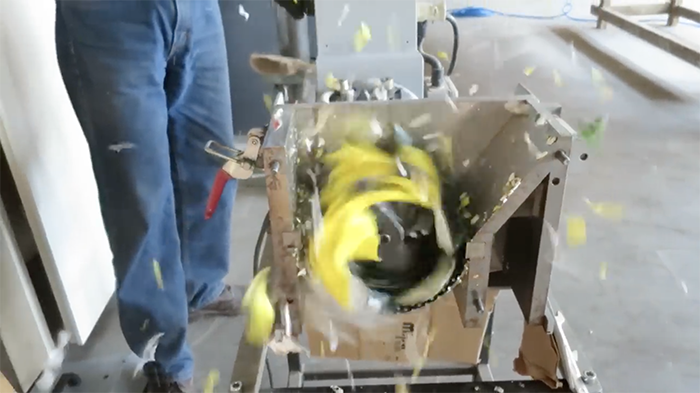
When we finally got one that could chew through plastic, it was so loud and aggressive it was unpleasant to stand next to.
The breakthrough was going slow. A low-speed design with the right blade configuration just quietly eats the plastic. That sounds obvious now. It took a lot of failed prototypes to land on it.
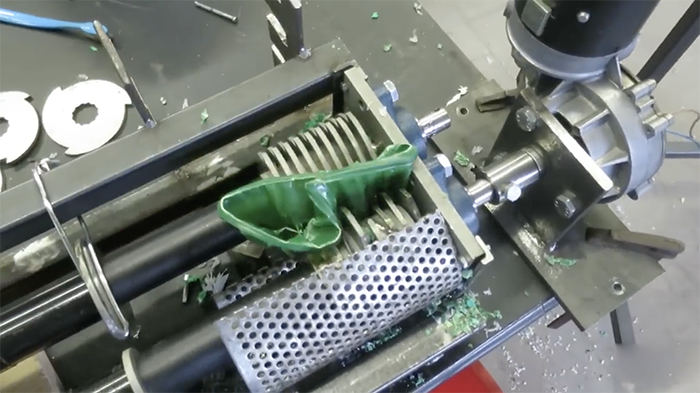
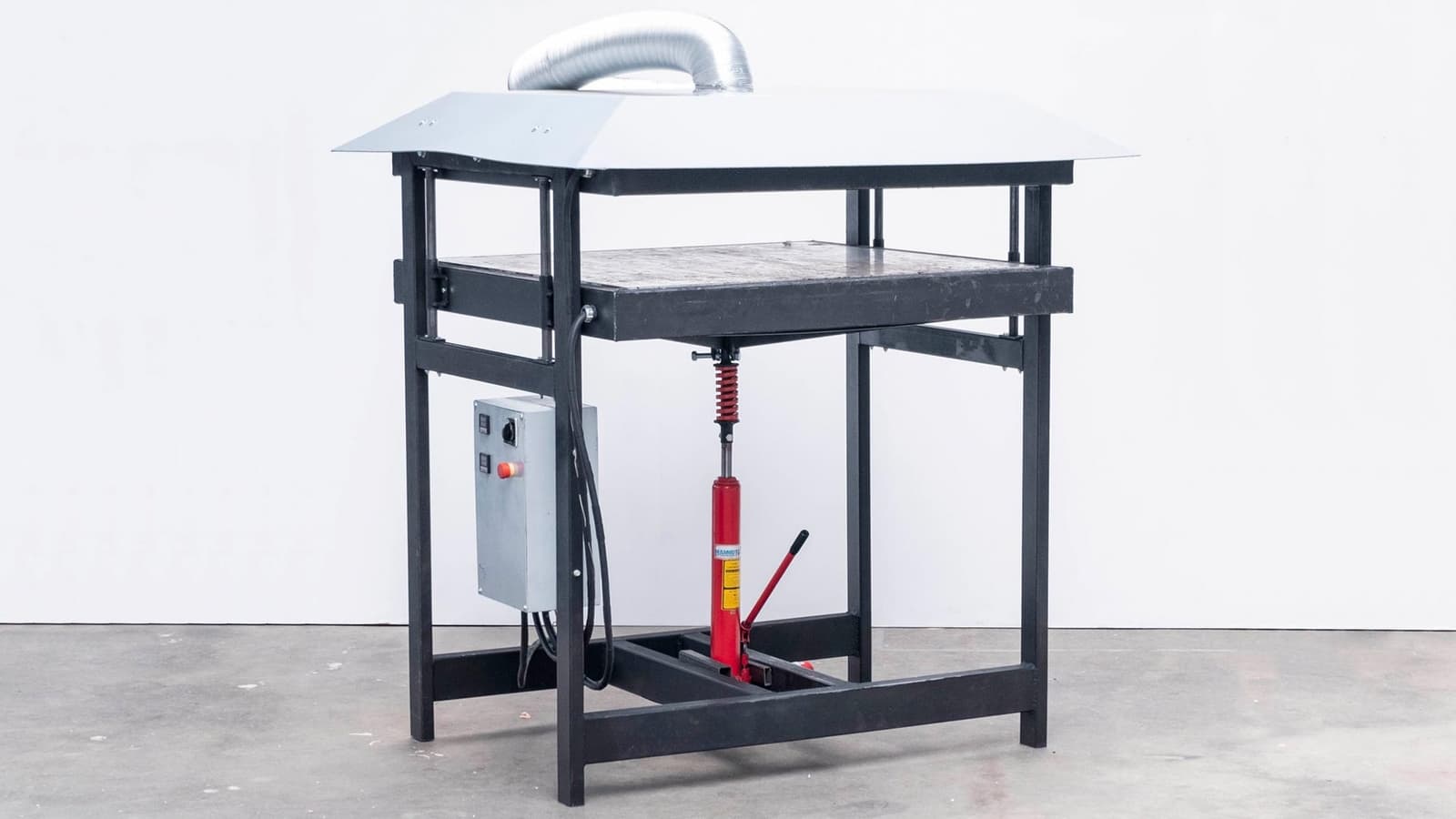
The design that came out of all that is made from laser-cut parts, so the measurements are exact no matter who builds it or where. It can be cut and welded at a local metal shop with basic tools, and none of the parts are proprietary or hard to find. It is powerful enough to be the only machine you need to turn waste into raw material, and the flakes it makes feed every other Precious Plastic machine.
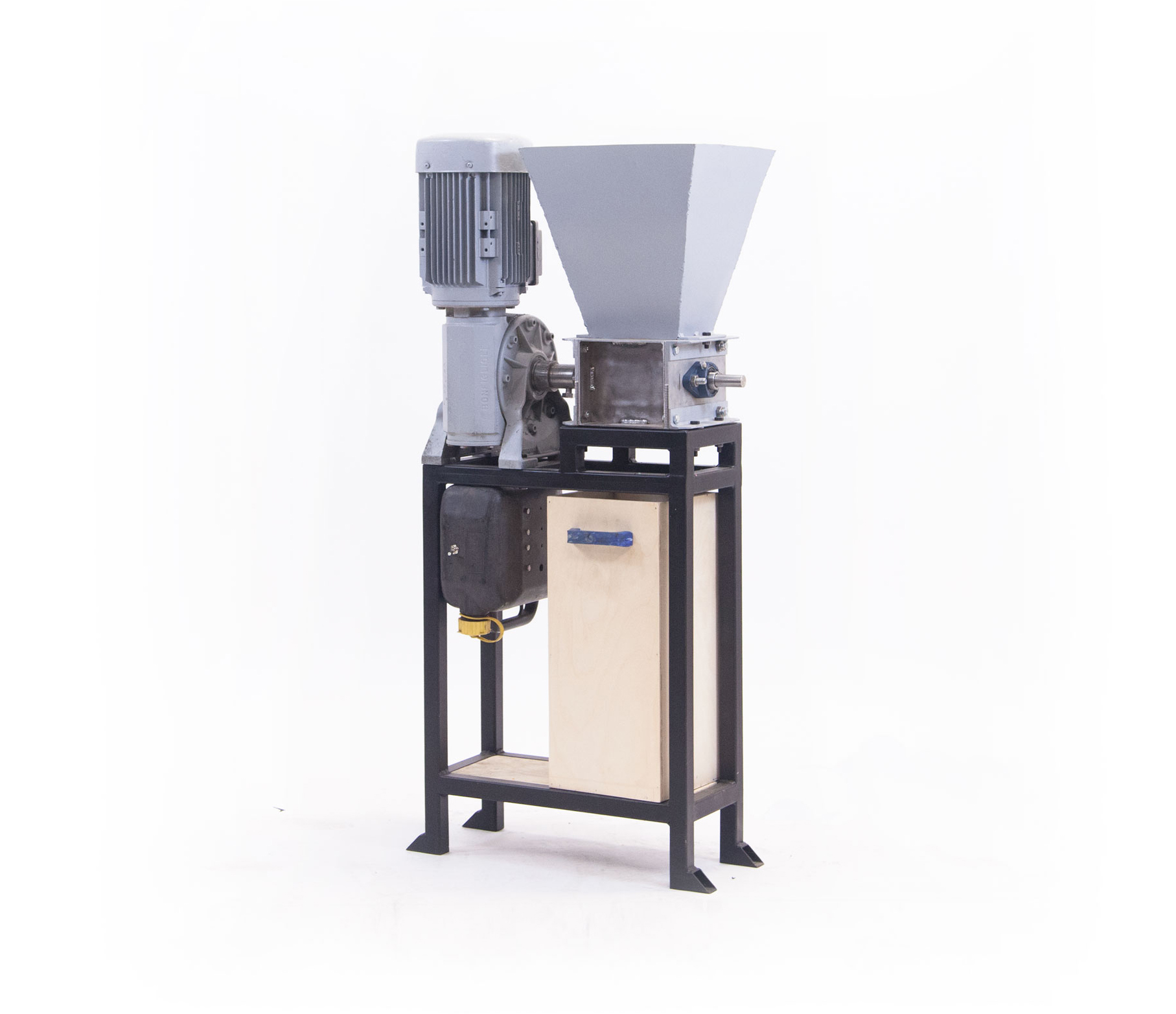
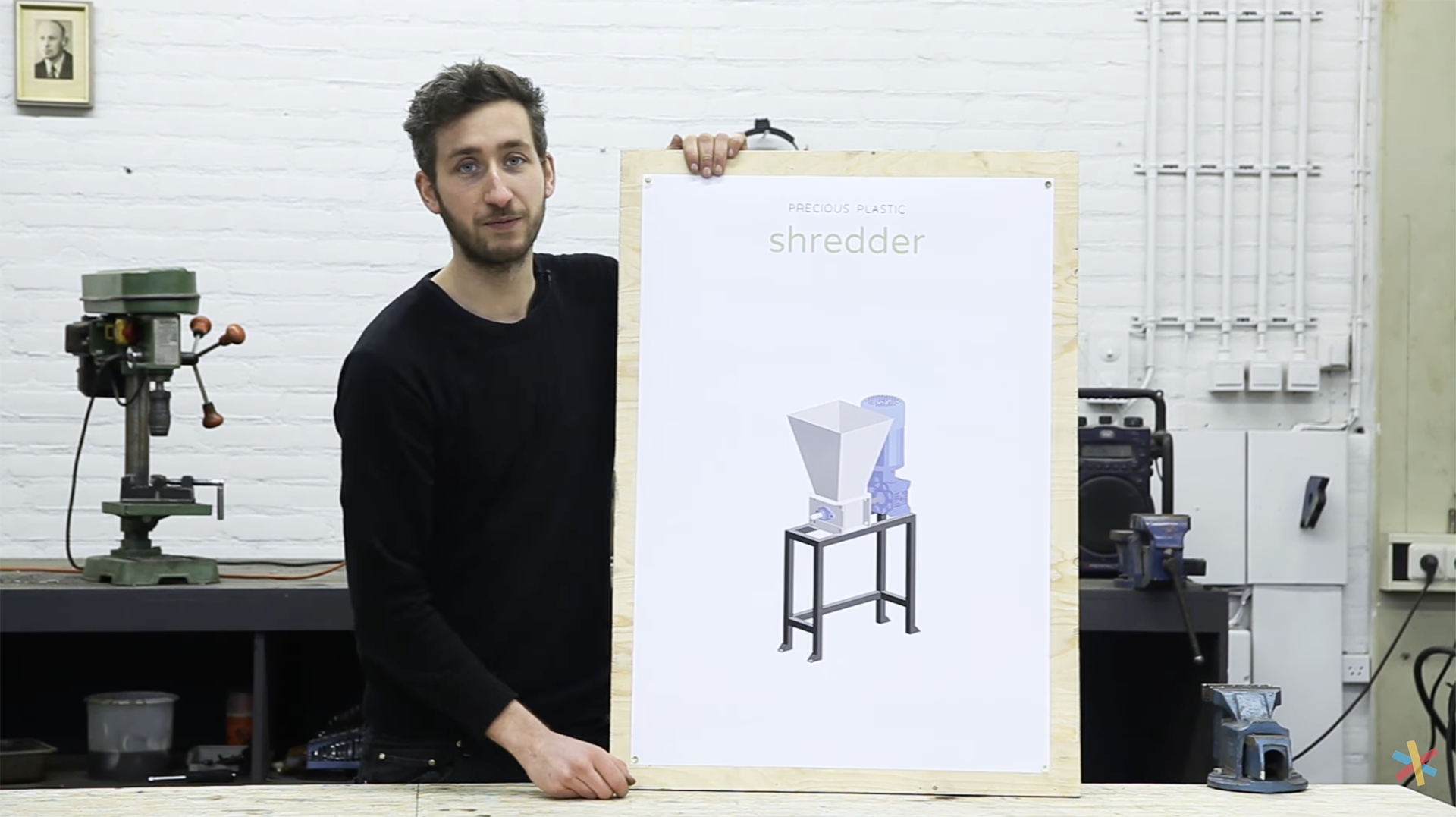
Then we did what we always do. We packaged the blueprints, CAD files, a full bill of materials and the build schematics, put it all online for free, and filmed ourselves building the machine from scratch so anyone could follow along. No extra plans needed. No special parts.
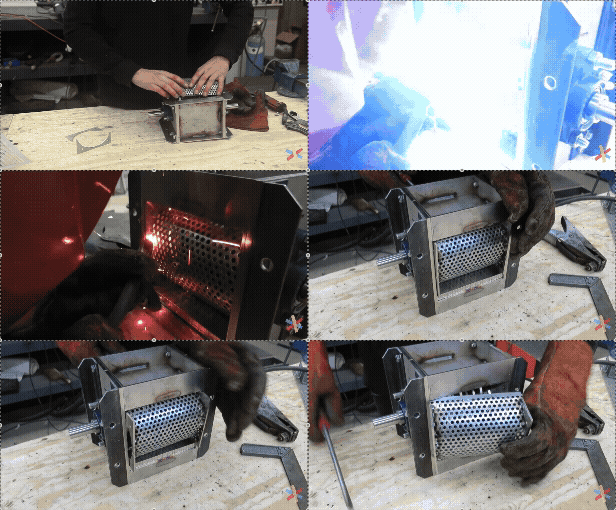
Assembling the shredder box
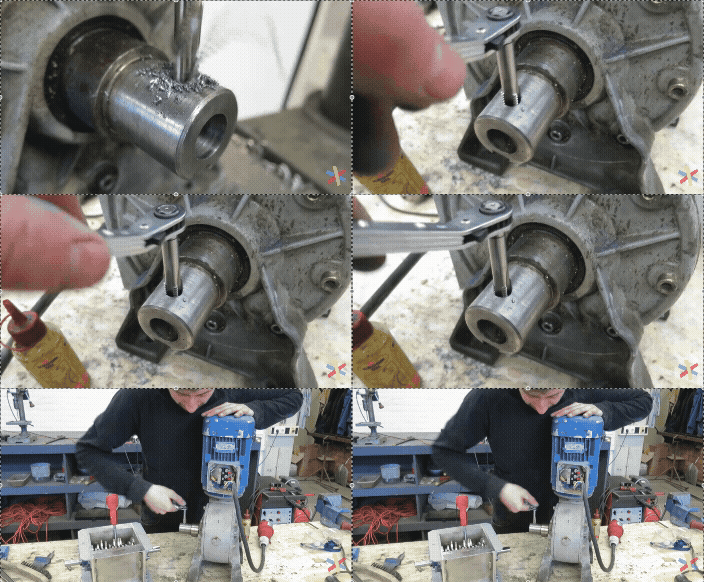
Making connections
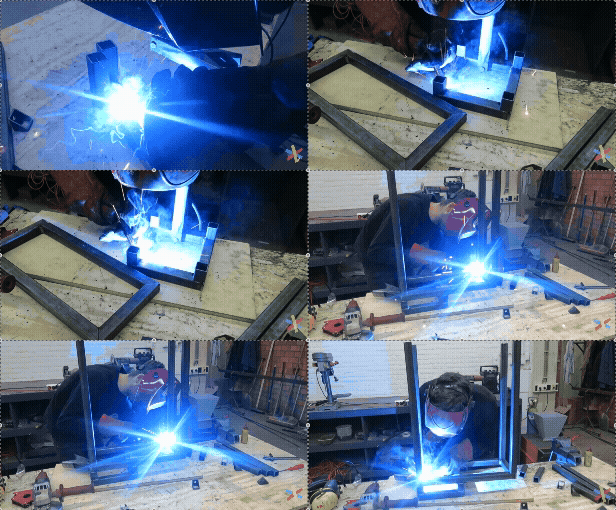
Welding the table
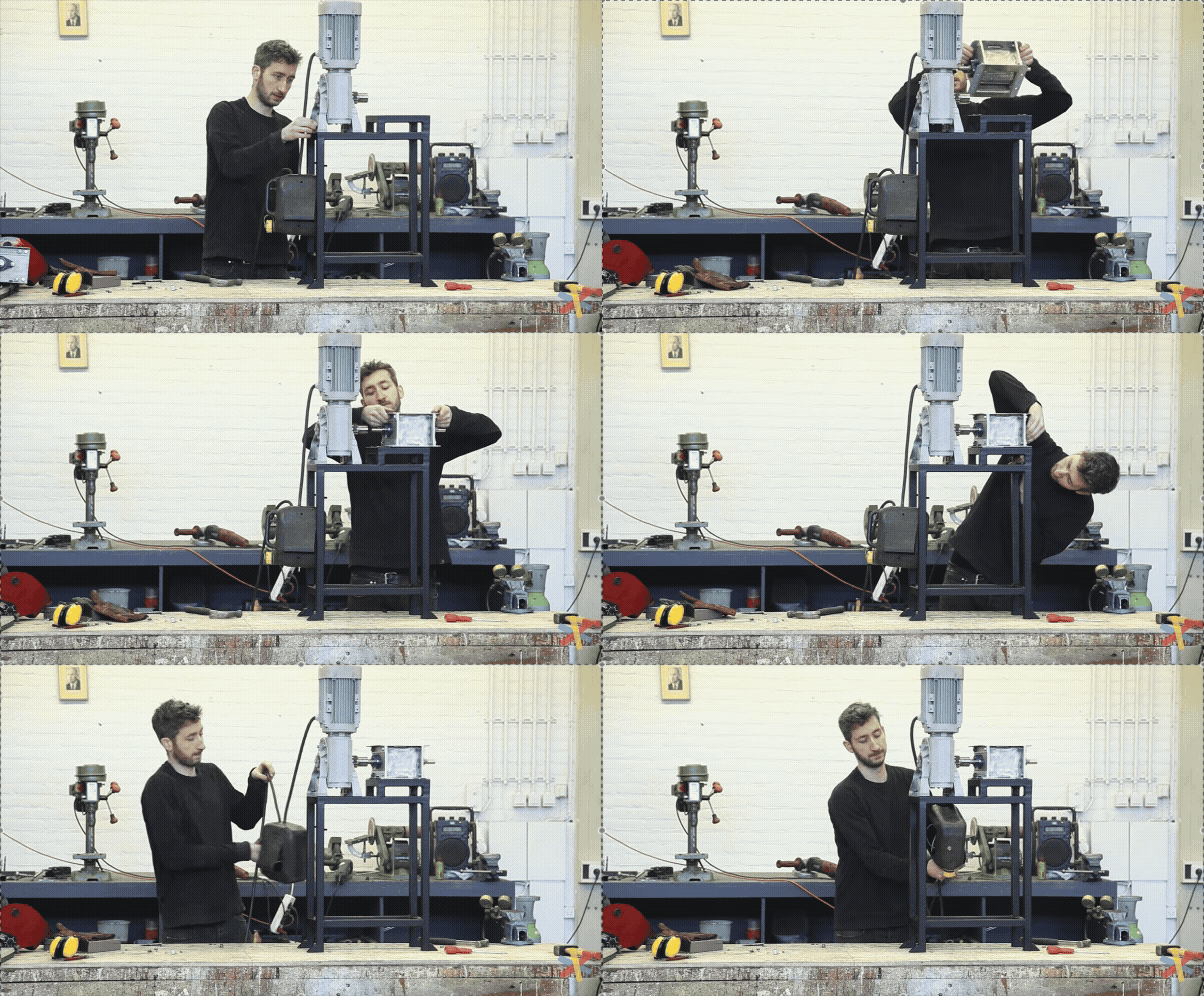
Putting it all together
Over the years we have improved the design from community feedback: bigger volumes, higher safety standards, easier to build and transport.
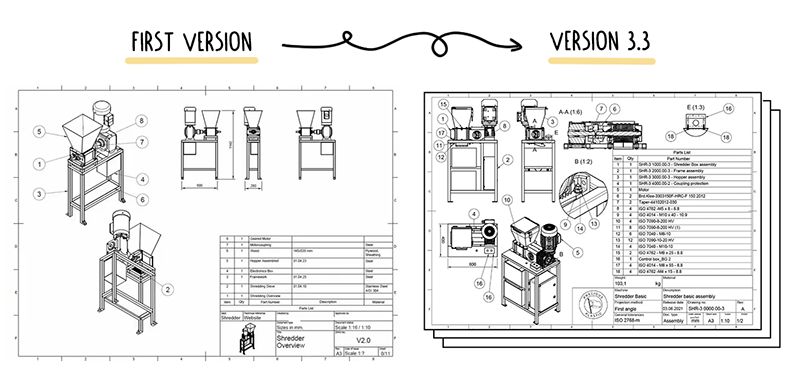
What the community did with it
This is the part we did not build.
The shredder became the most widely available machine in the whole project. By 2020 it was in 79.6% of all workspaces.

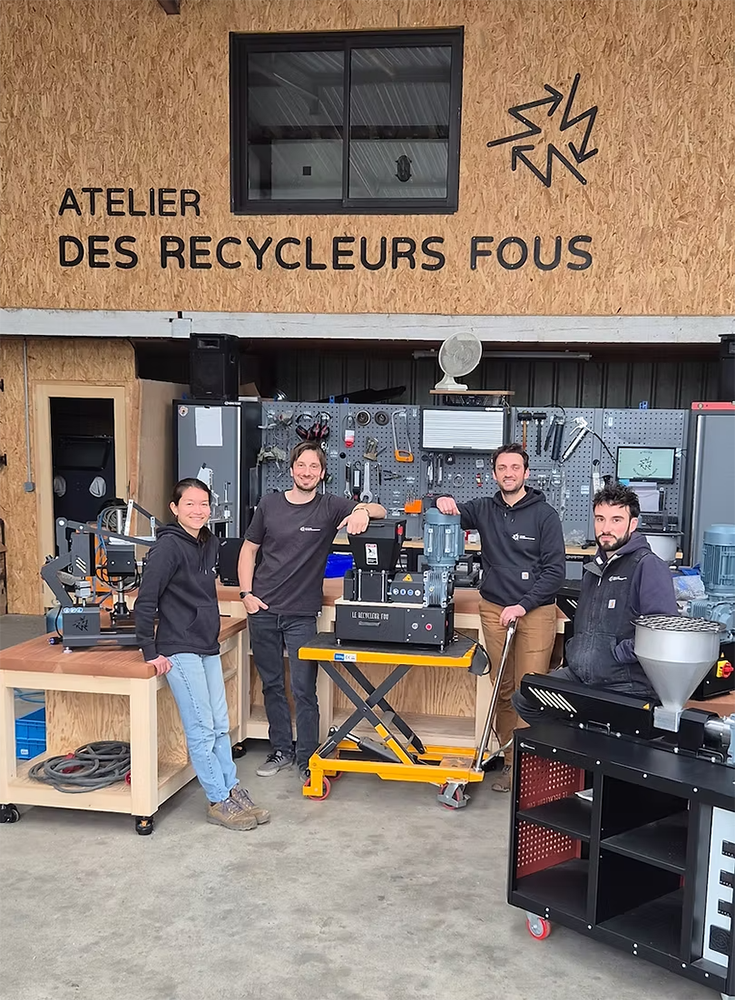

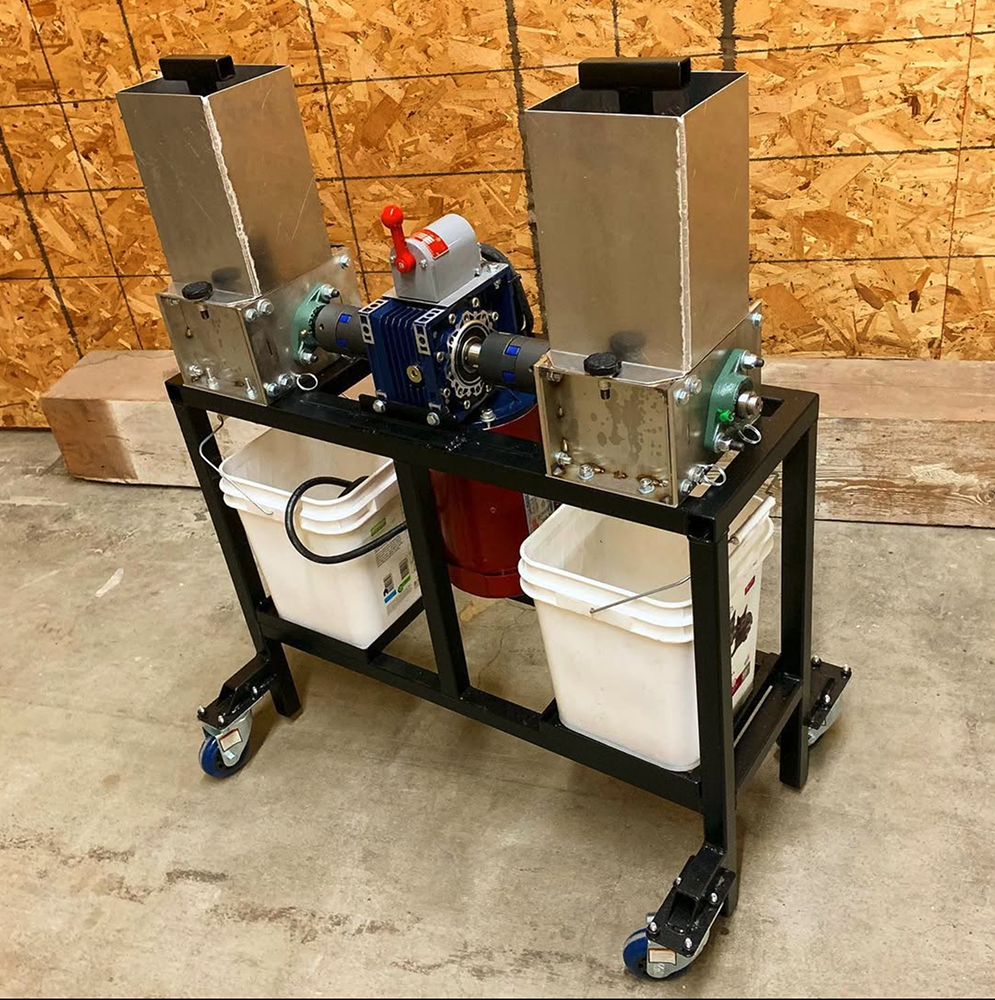

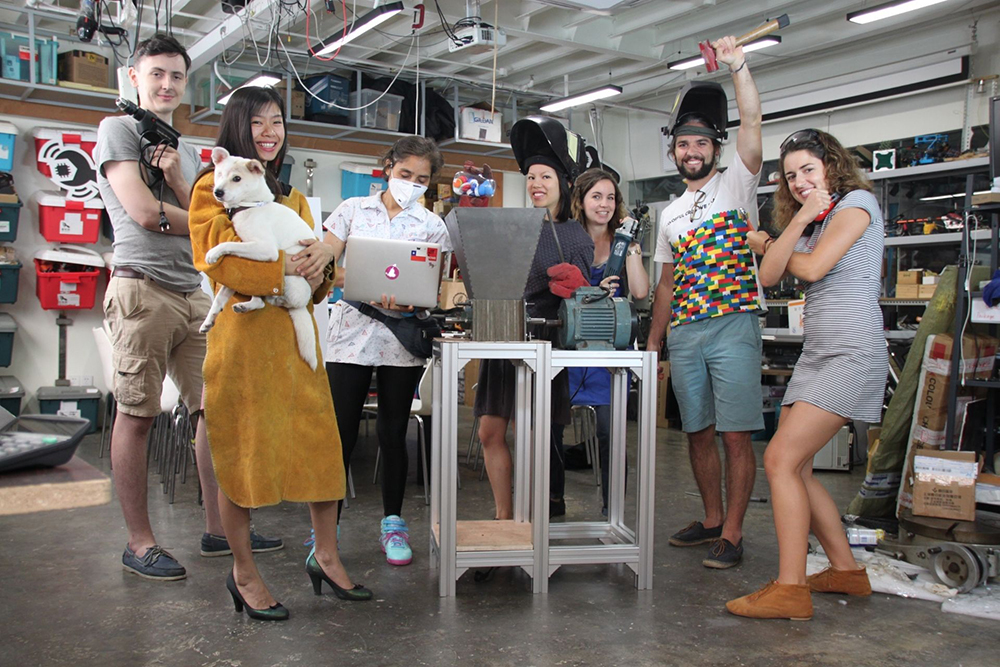

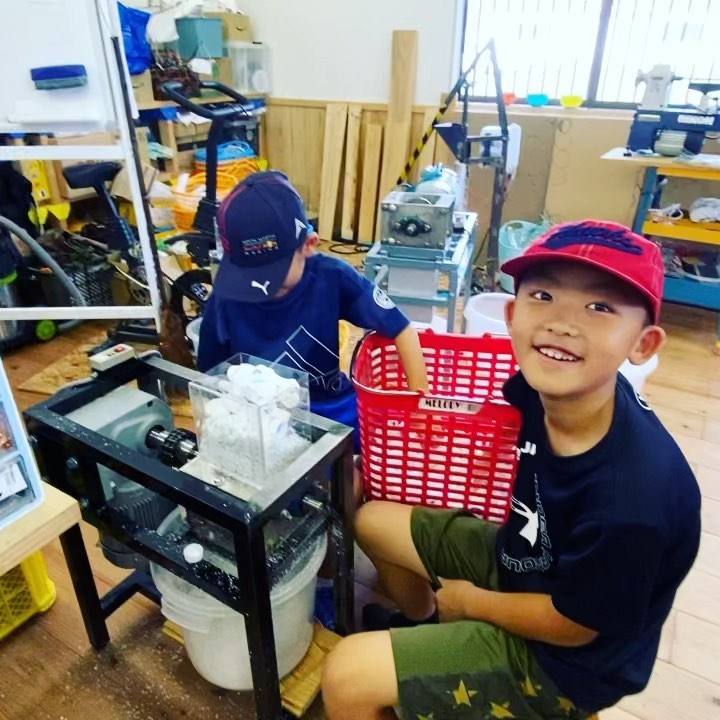
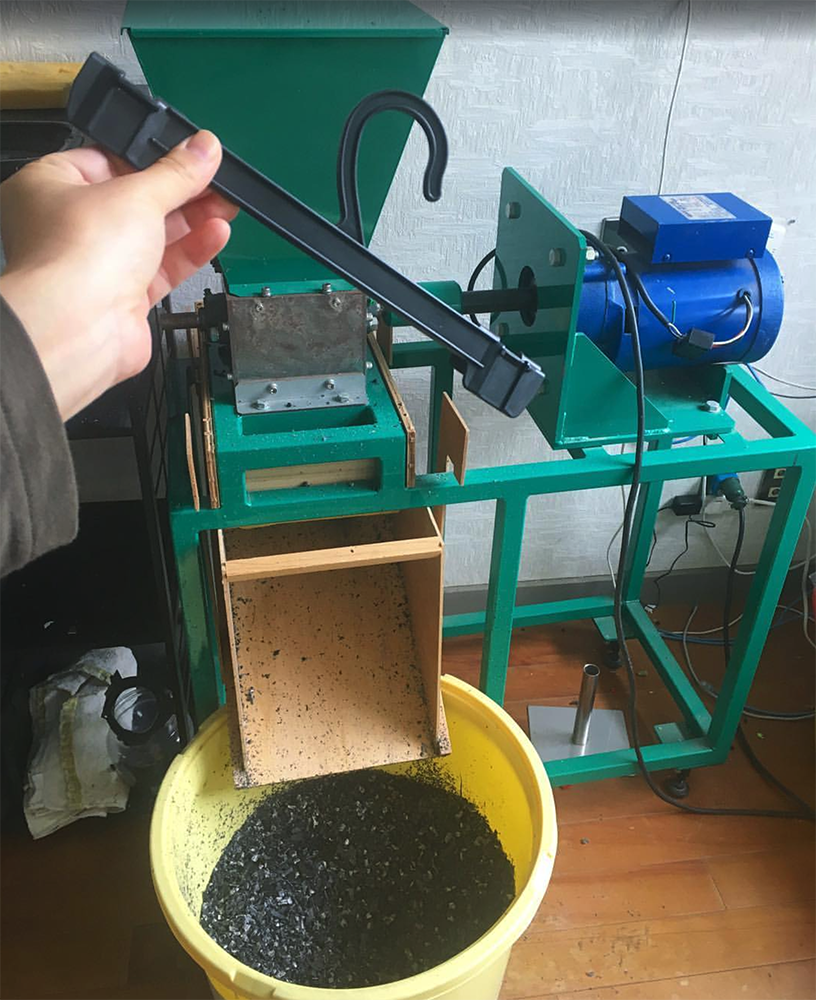

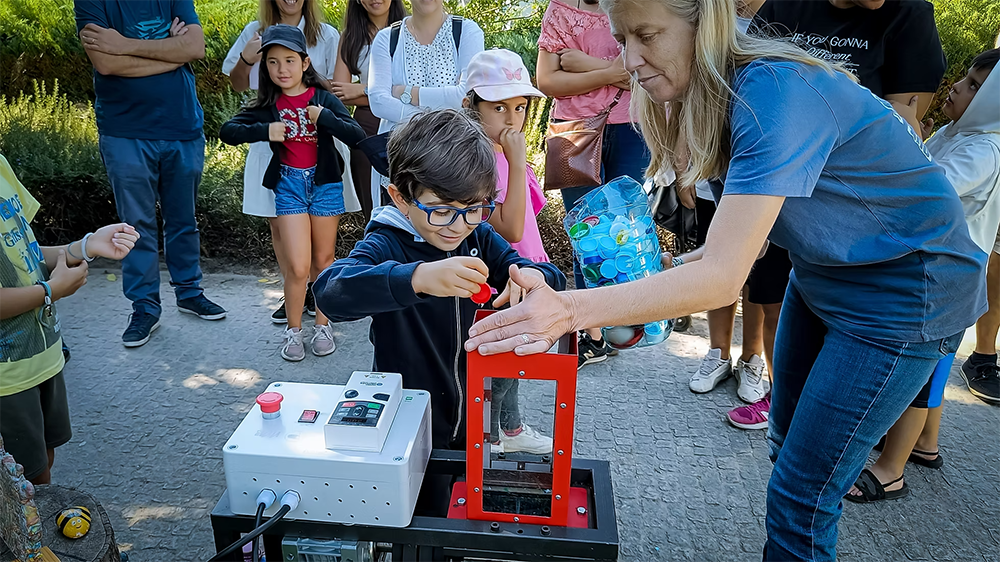

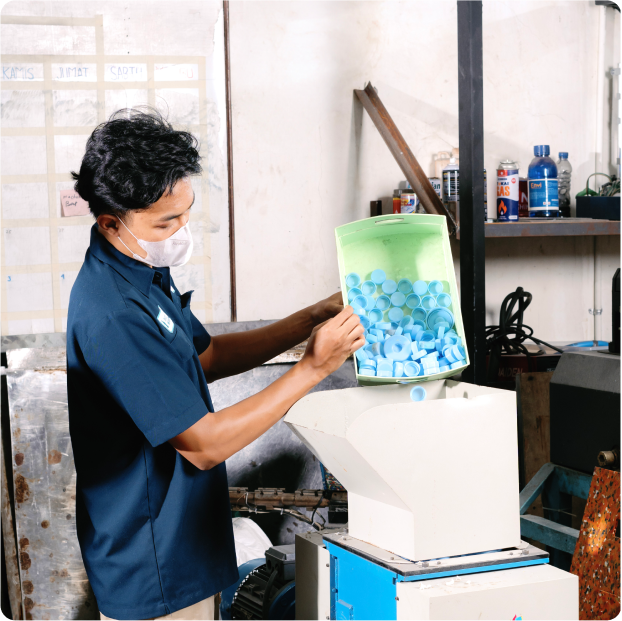
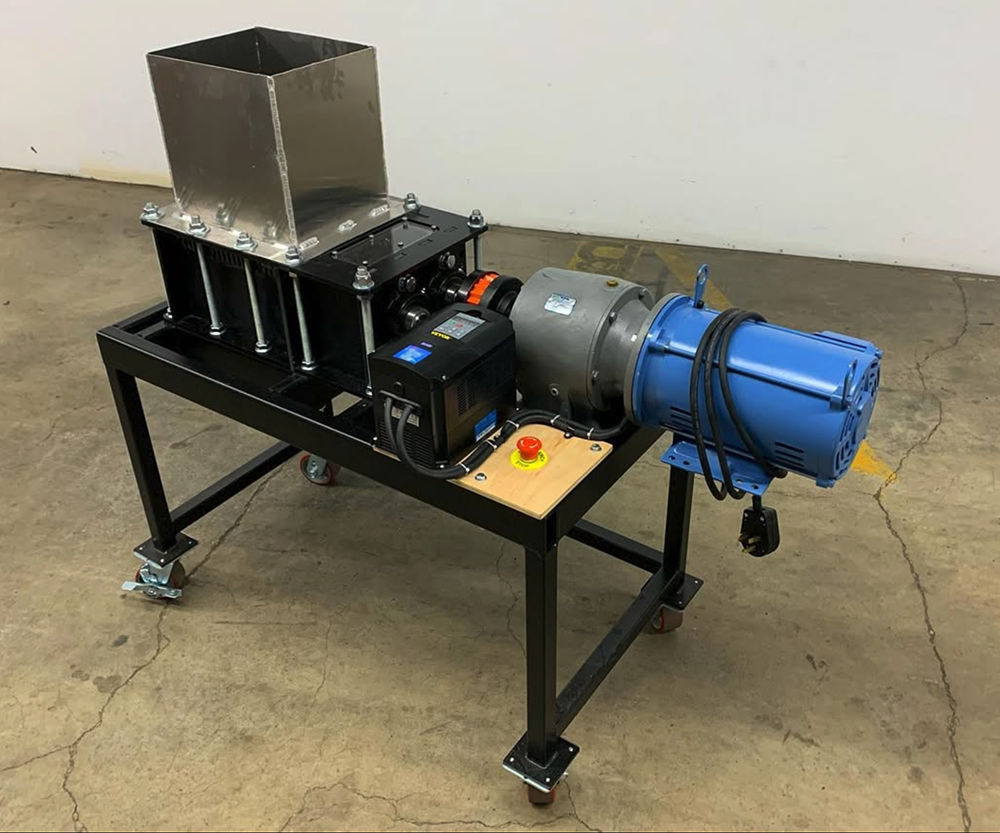

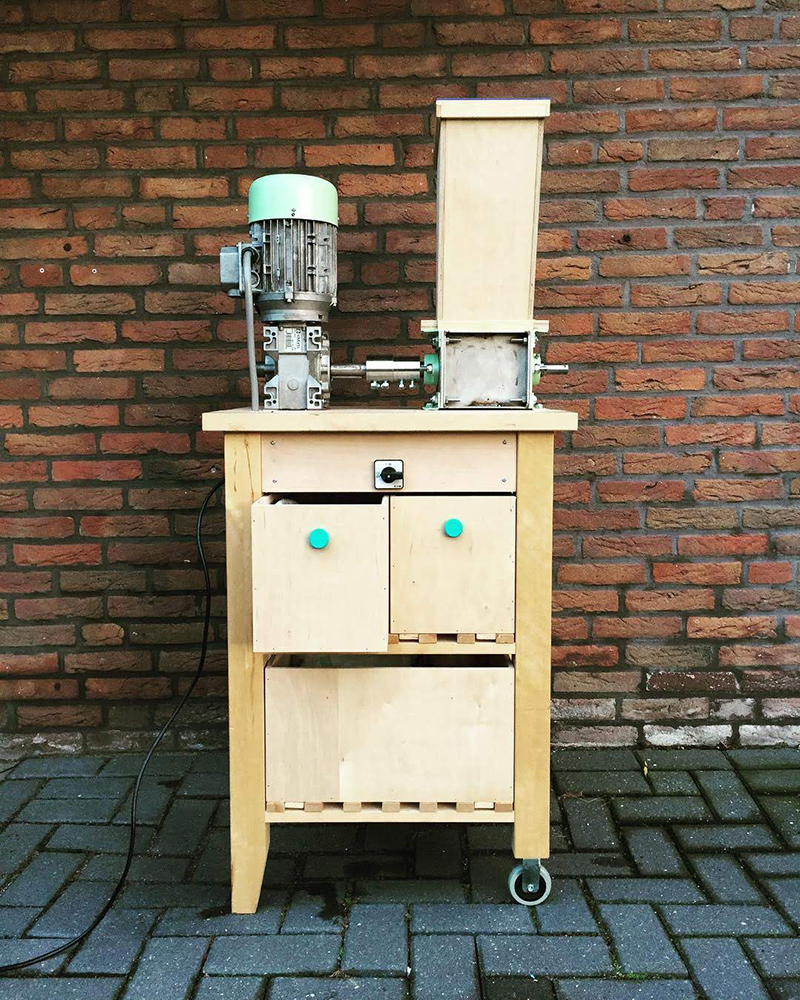
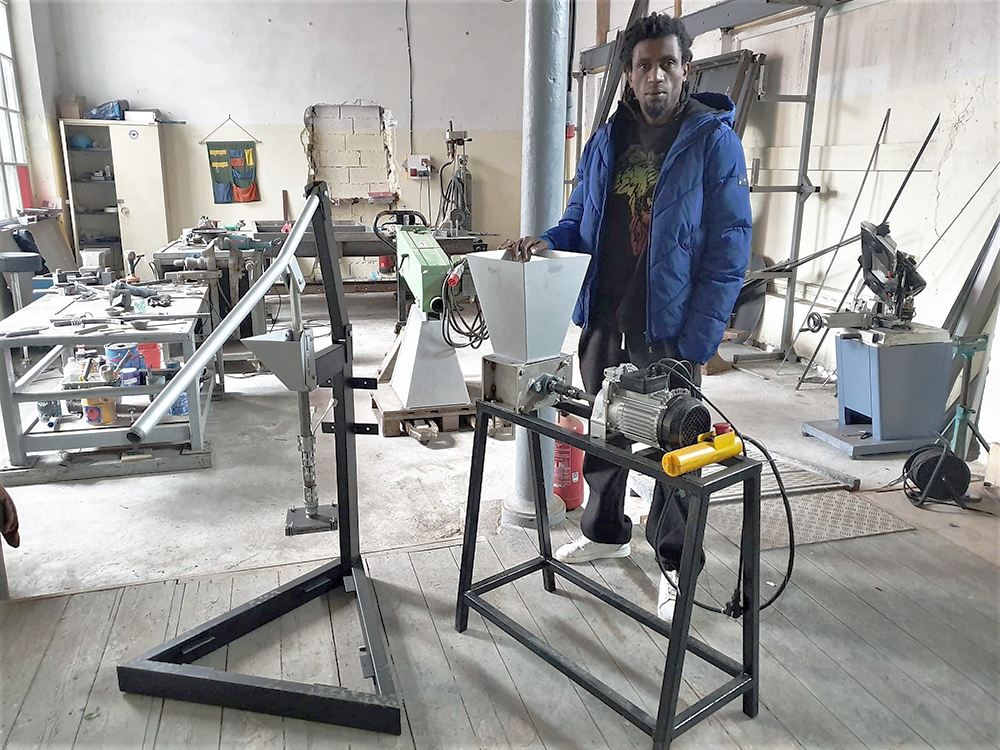

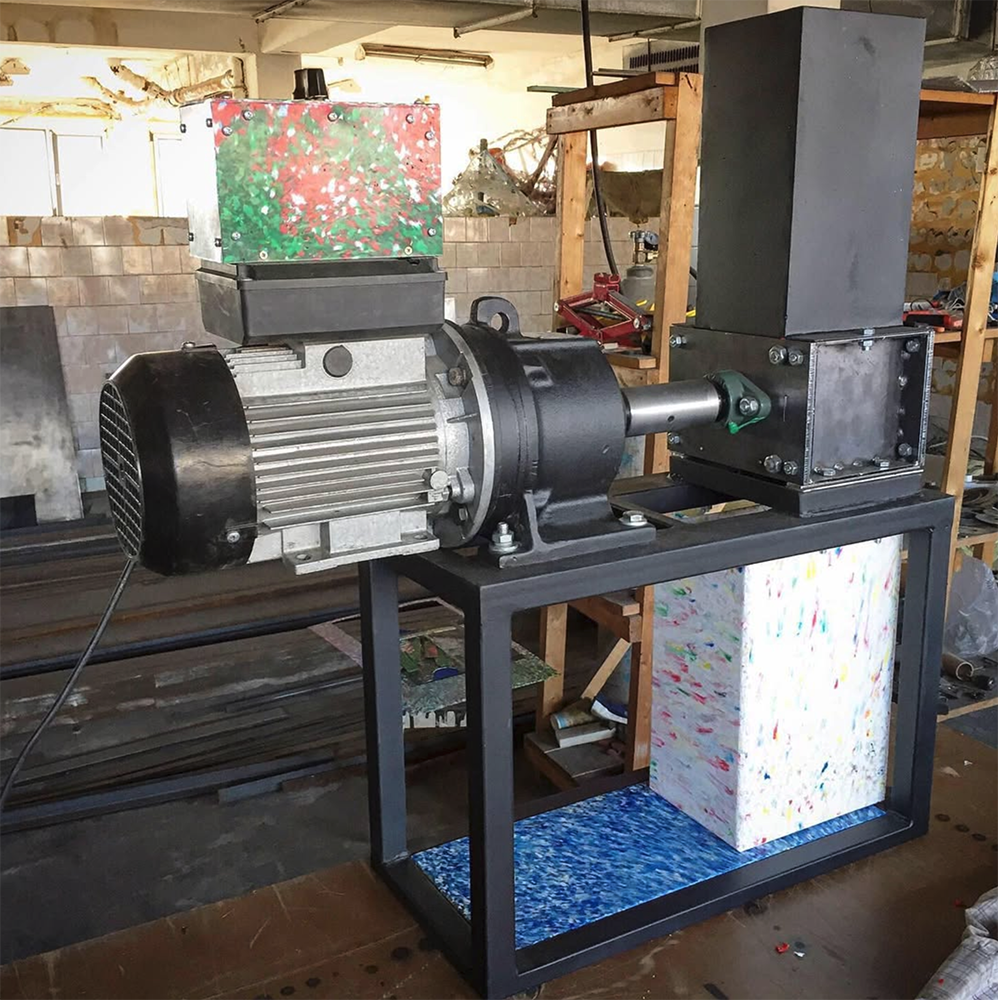
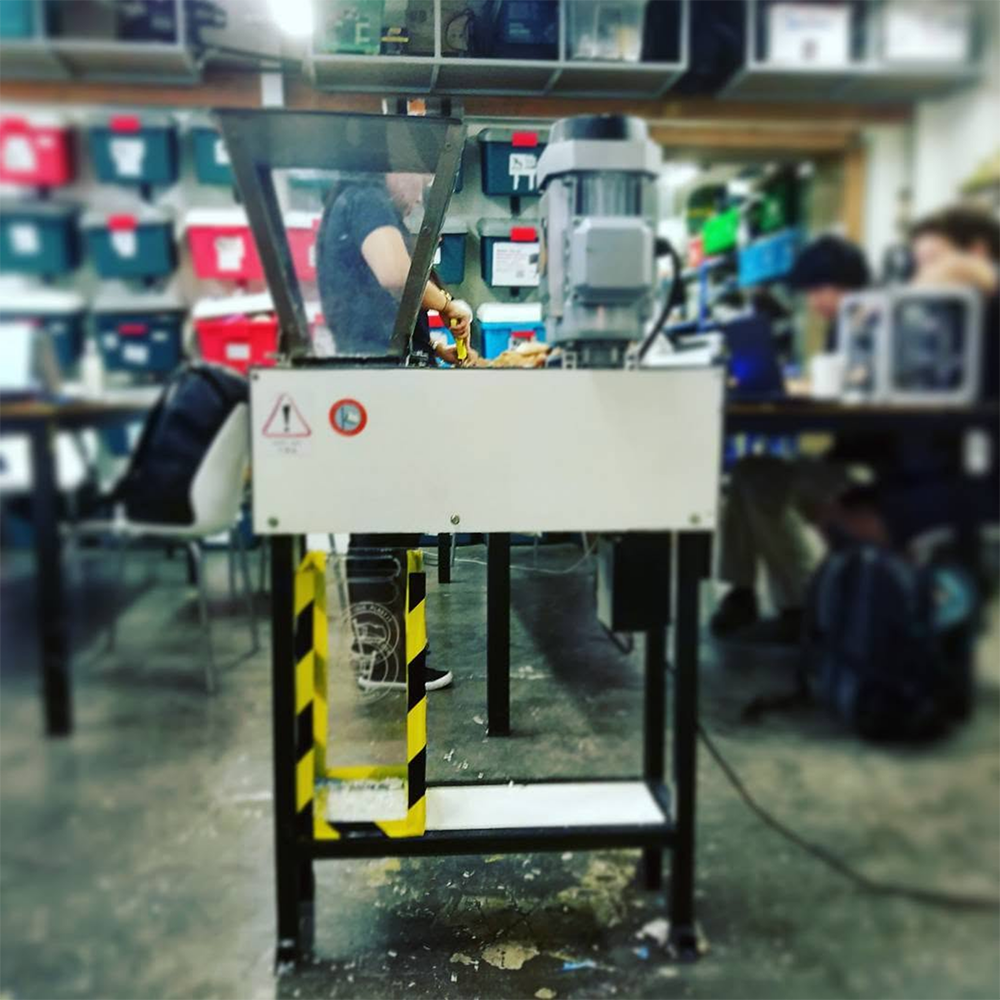

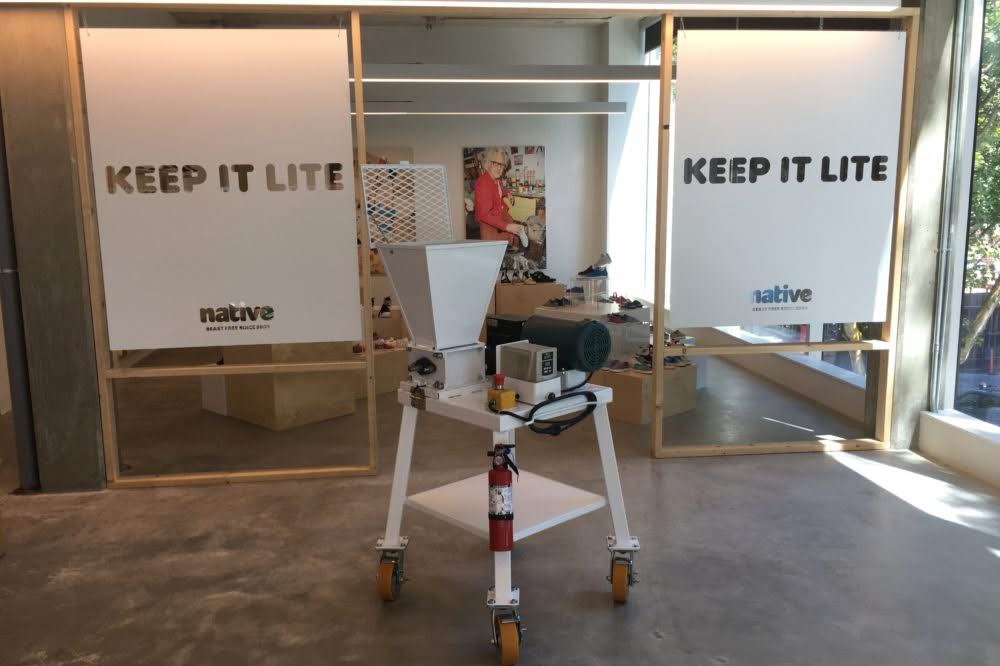

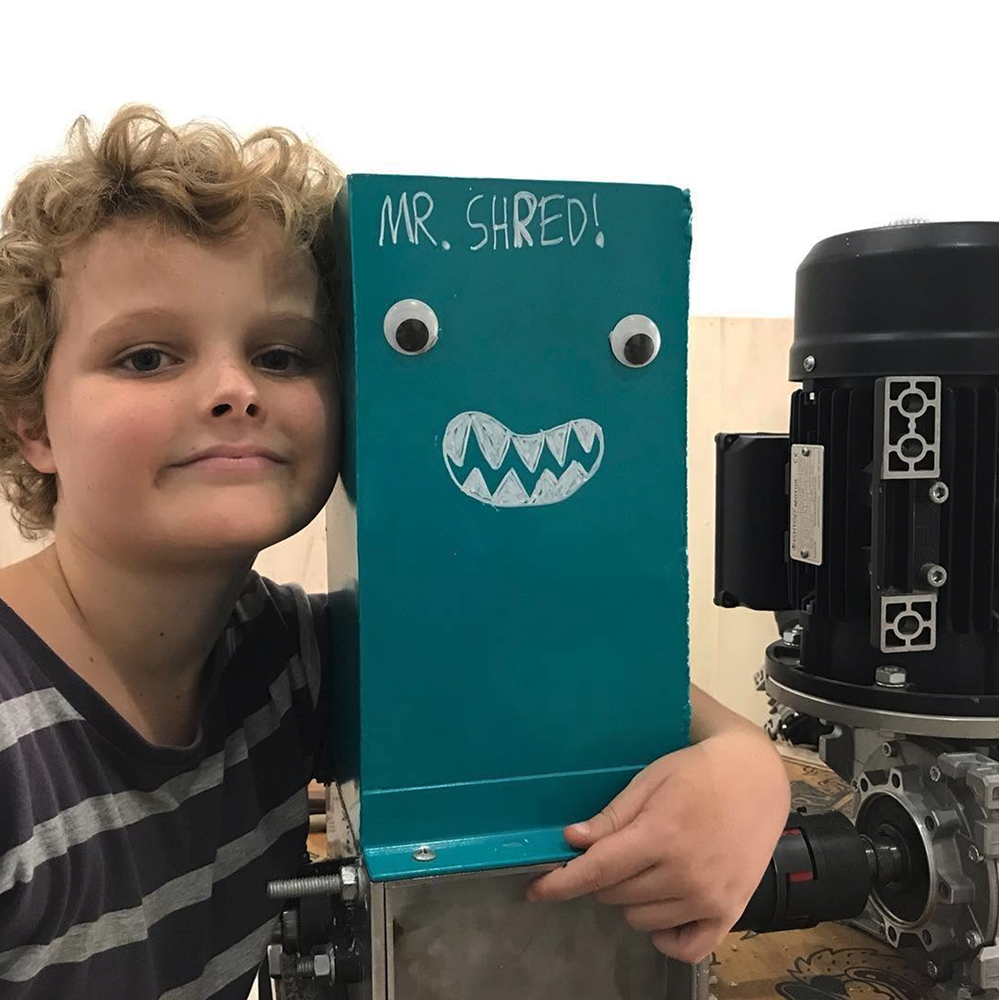
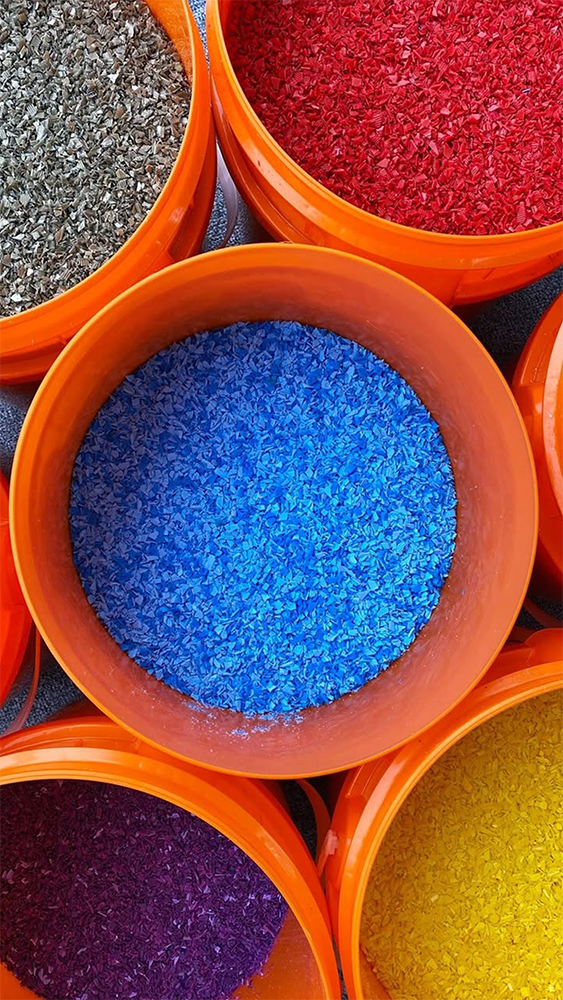
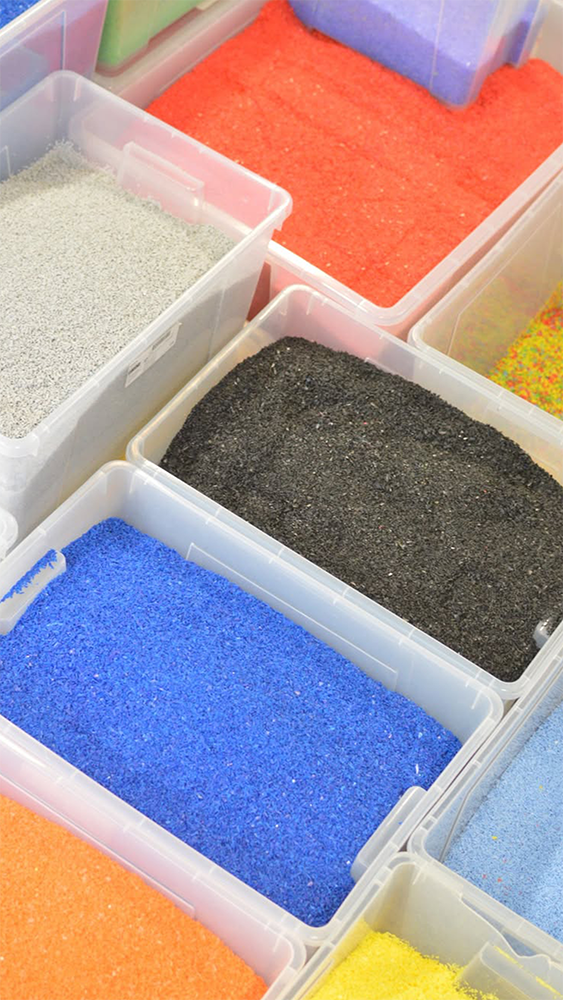
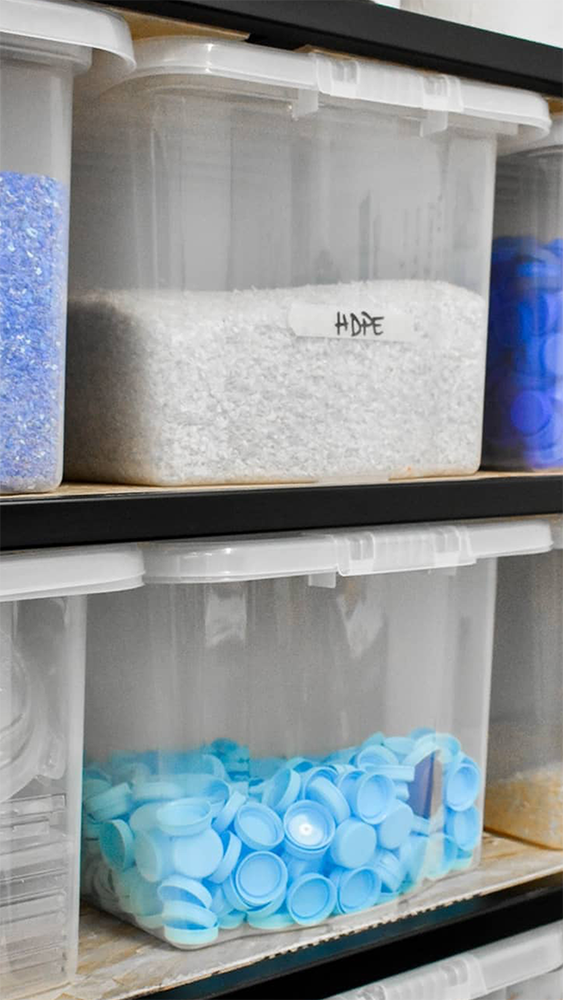
People who could not build their own started buying flakes from people who could, so a material that used to be trapped in trash became something you can order and sell.
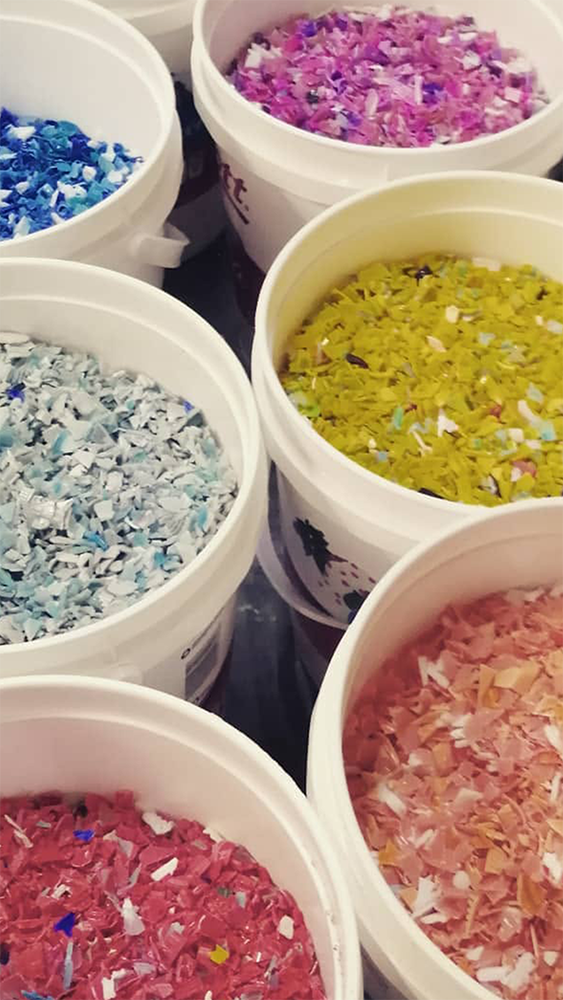
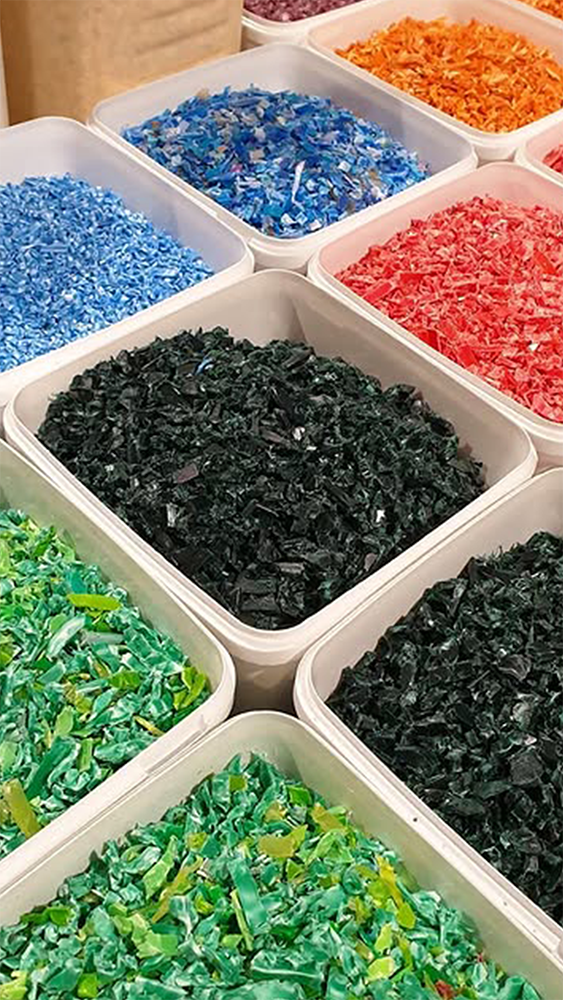
Machine shops grew up around it too, builders who make a living selling shredders to recyclers nearby.
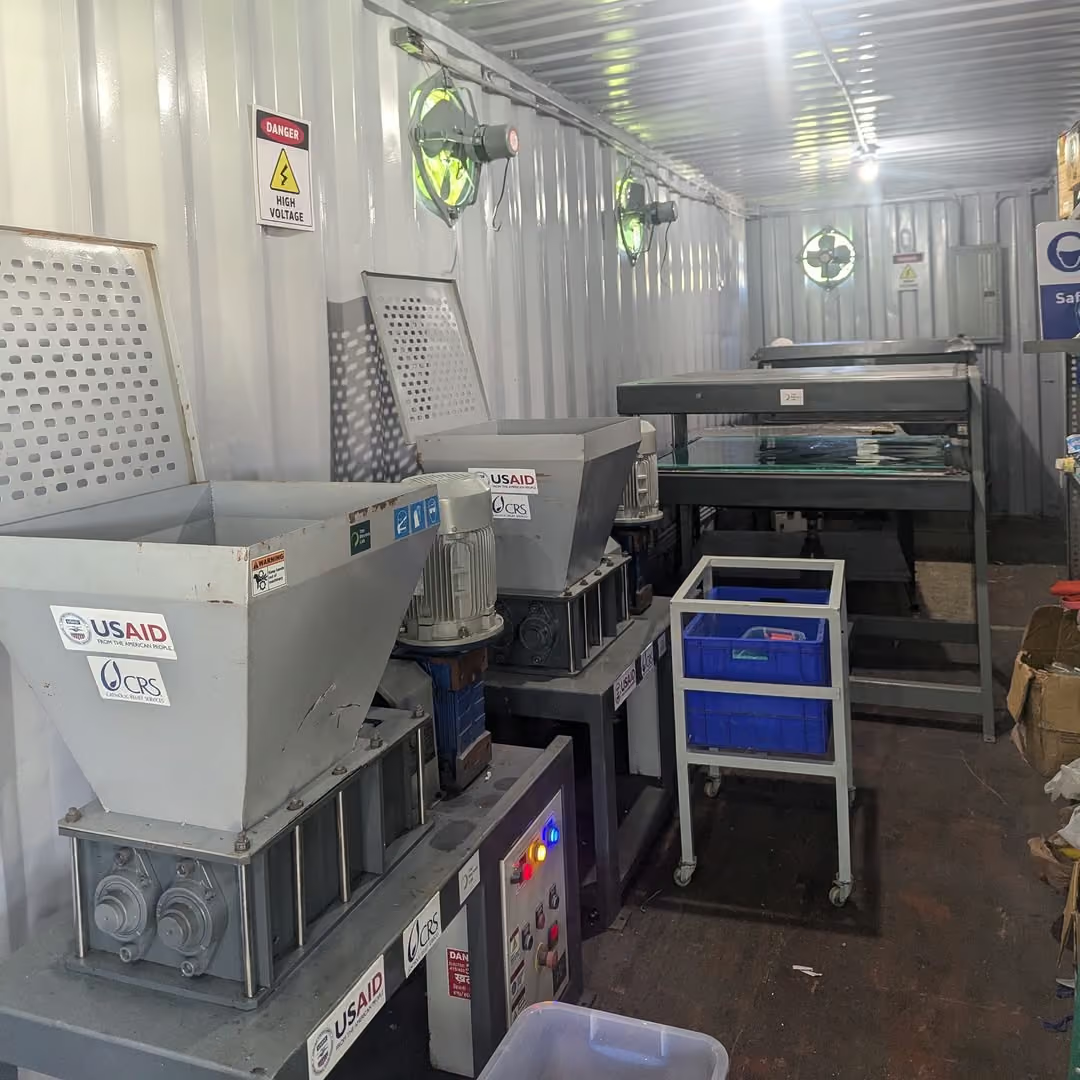
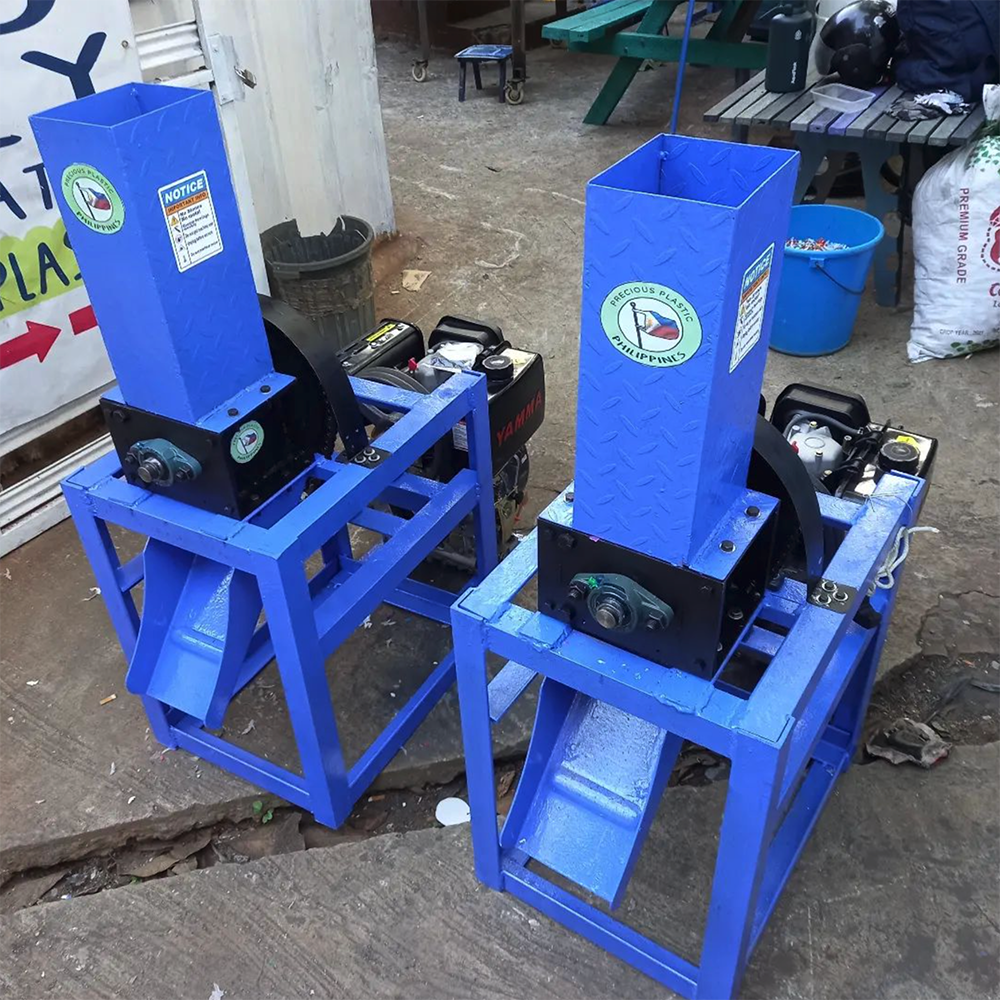
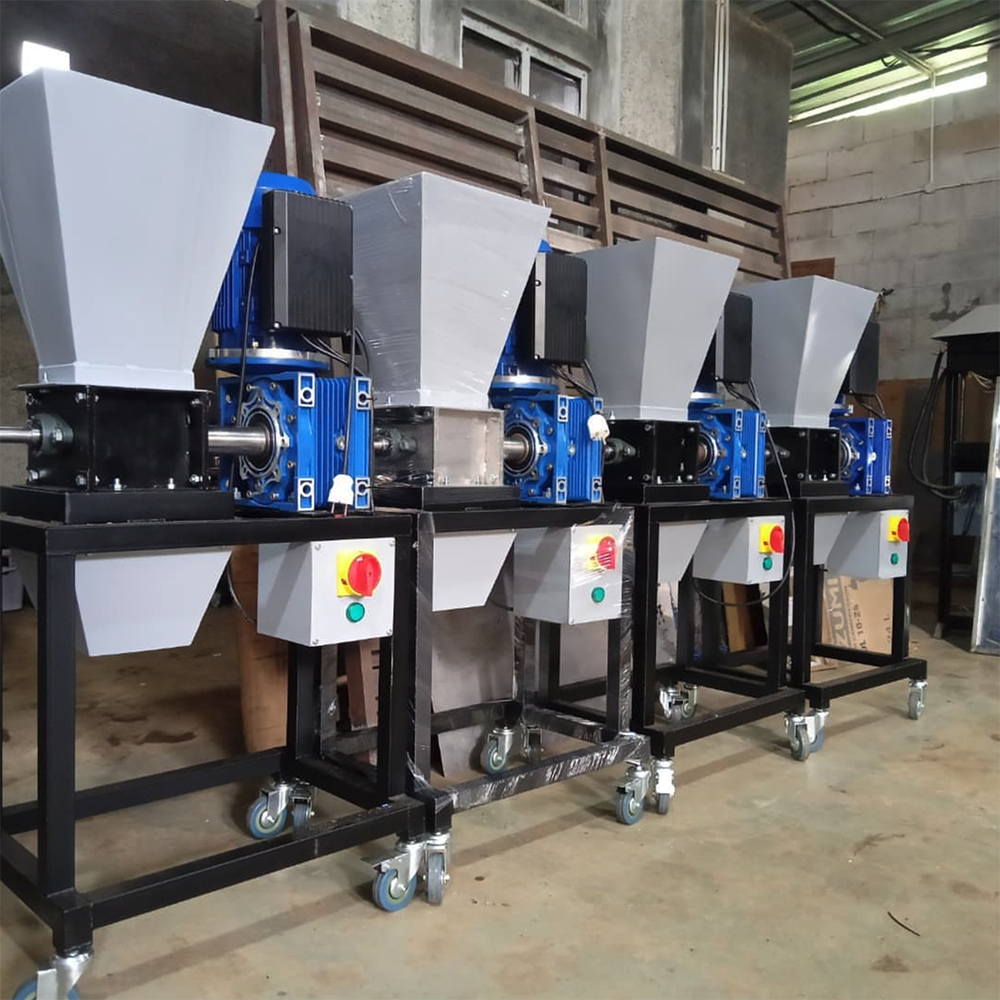
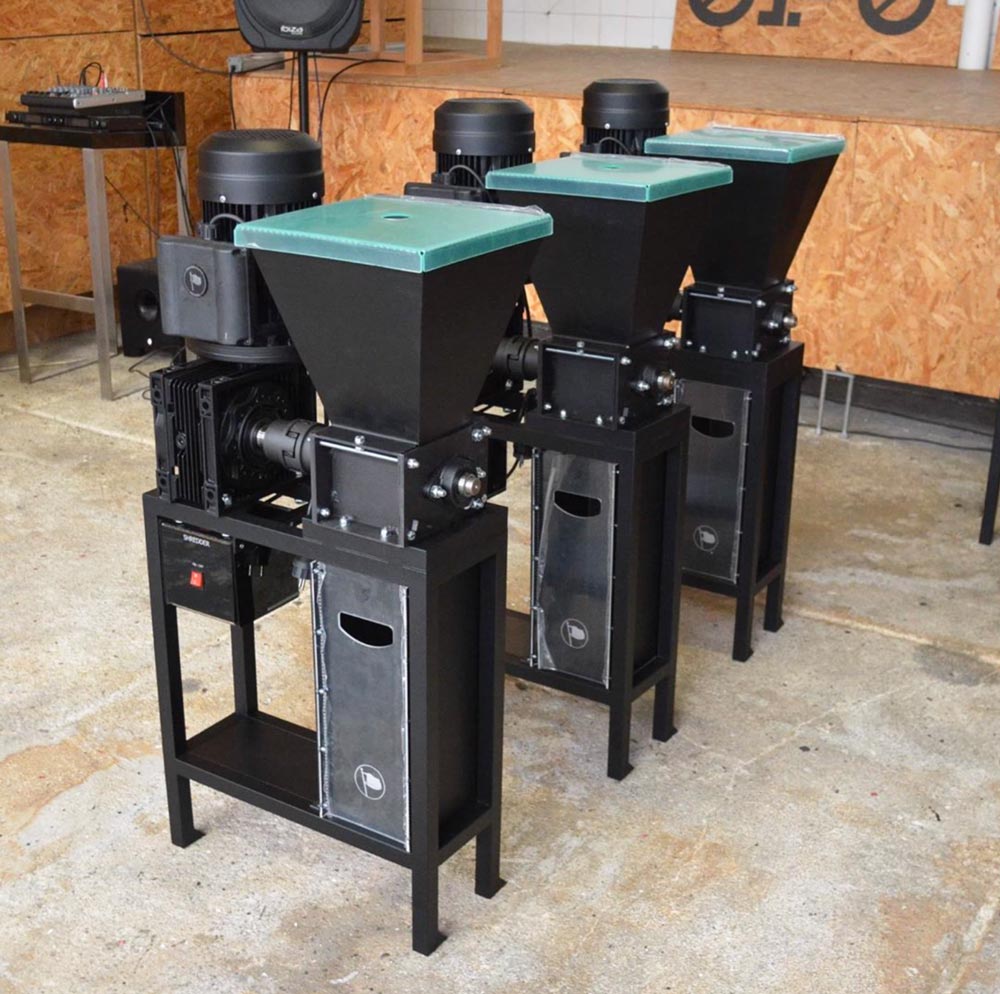
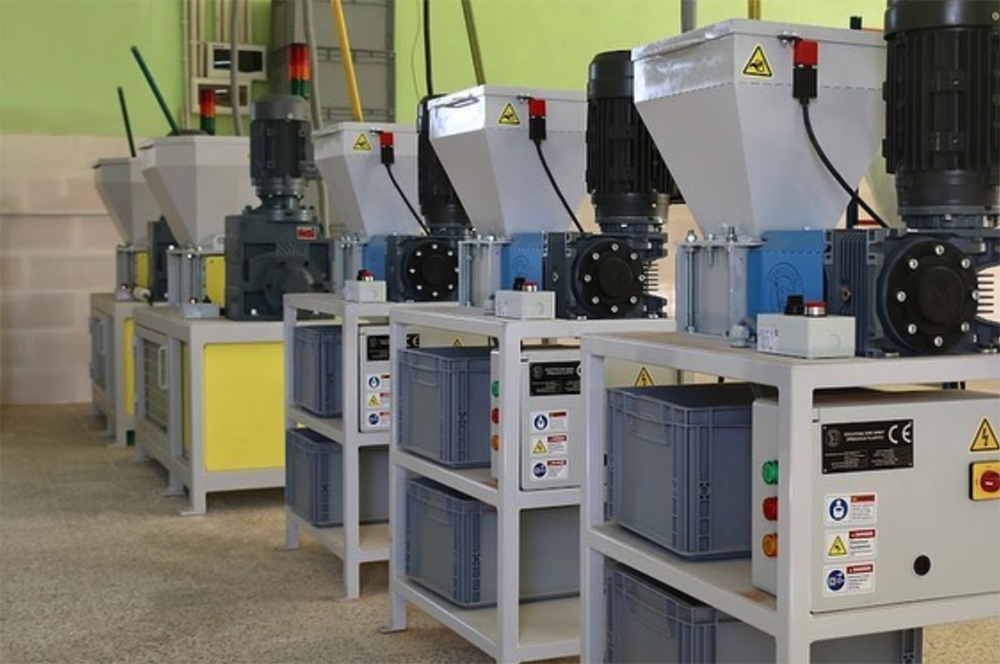
We built one machine. Thousands of people put it to work.
Impact
The "how to" video has been watched more than 1.7 million times. The blueprints have been downloaded by more than 7,421 people, and the full workspace kit by more than 51,000. We know of +1,000 machines built, and those are only the ones we can see.
Today there are hundreds of shredder workspaces on the Precious Plastic map, and in 2024 they reported processing 1,400 tonnes of plastic between them. Some workspaces are the drop-off point for their whole neighbourhood and collect more than 1,000kg of waste in one month alone. Precious Plastic Philippines is a good example of how much one workshop can change a community.
Why it matters
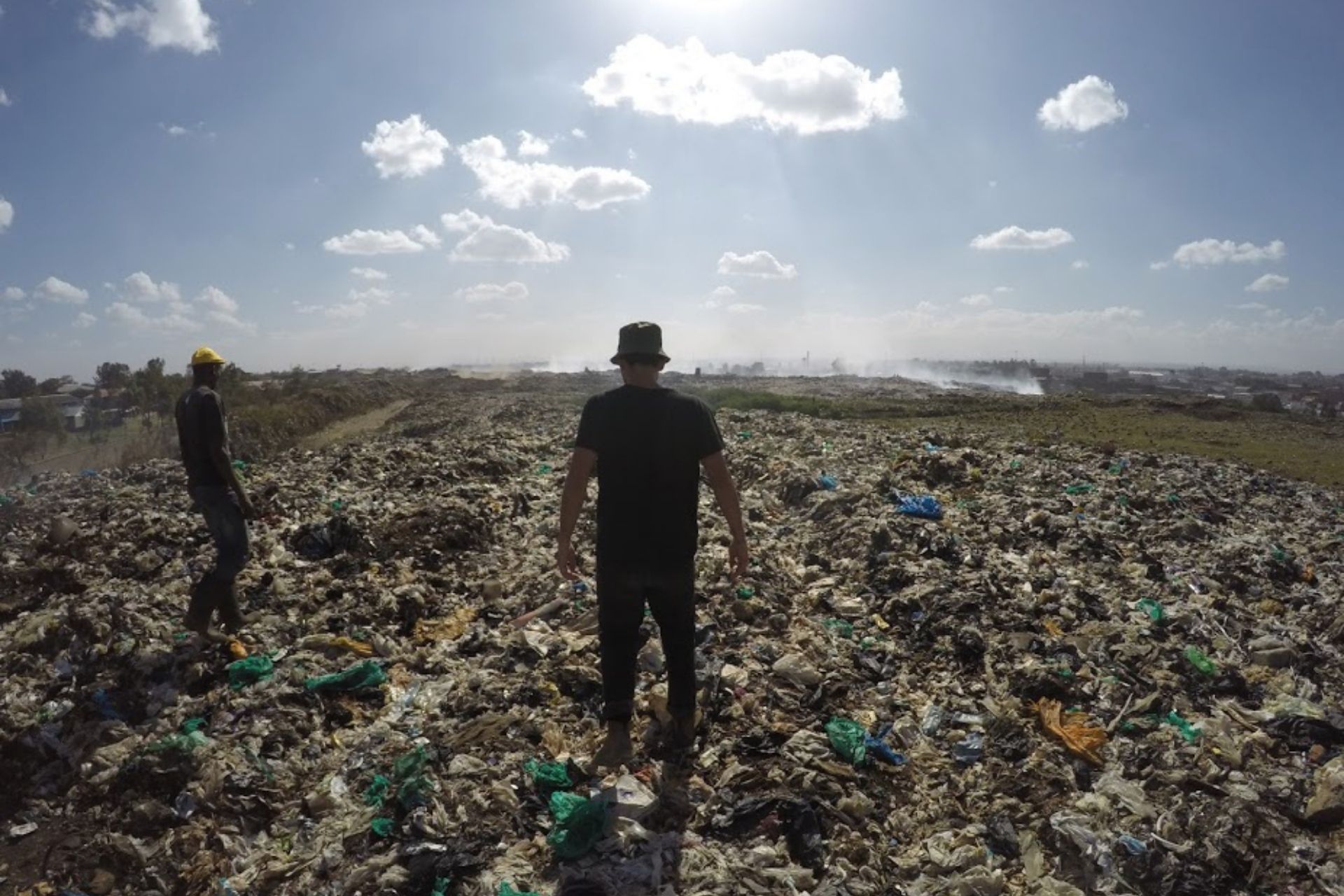
We all live somewhere that is part of the plastic problem. For some of us it is hidden behind a recycling system we never see. For others it is right there in the street, the river, the field. Either way, the professional equipment that could do something about it was always too expensive to try.
One machine changes that. With a shredder, the waste in your neighbourhood stops being a problem and starts being a resource.
Join us!
The world is full of plastic waste. Our members are fighting back. They contribute monthly, funding the development of new solutions. Each one shared open source, free for anyone in the world to use. Join and help build the most scalable way to fight plastic waste.
Become a member →Learn more