How we built a machine that started a new industry
The first Open-Source Sheetpress
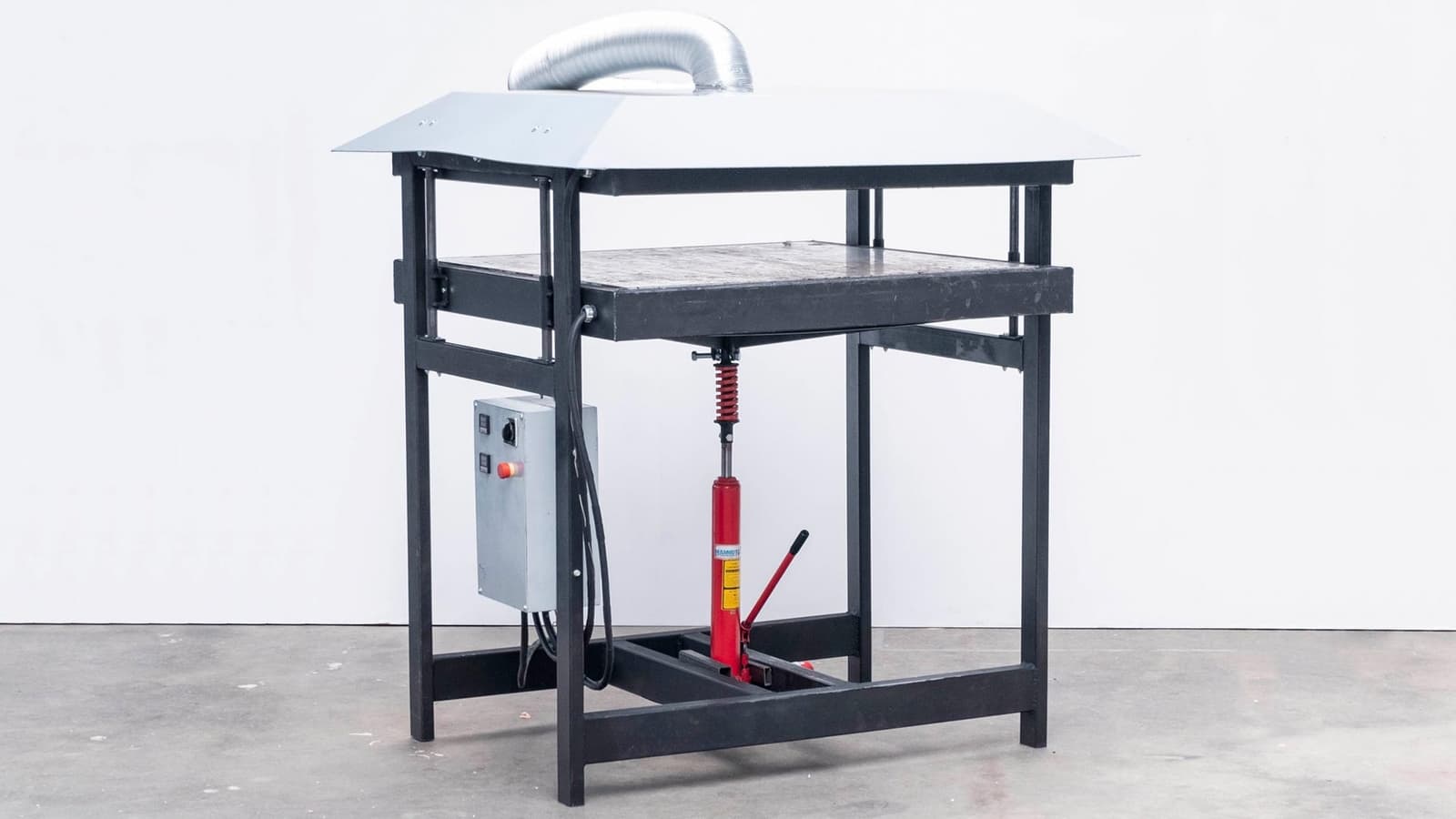
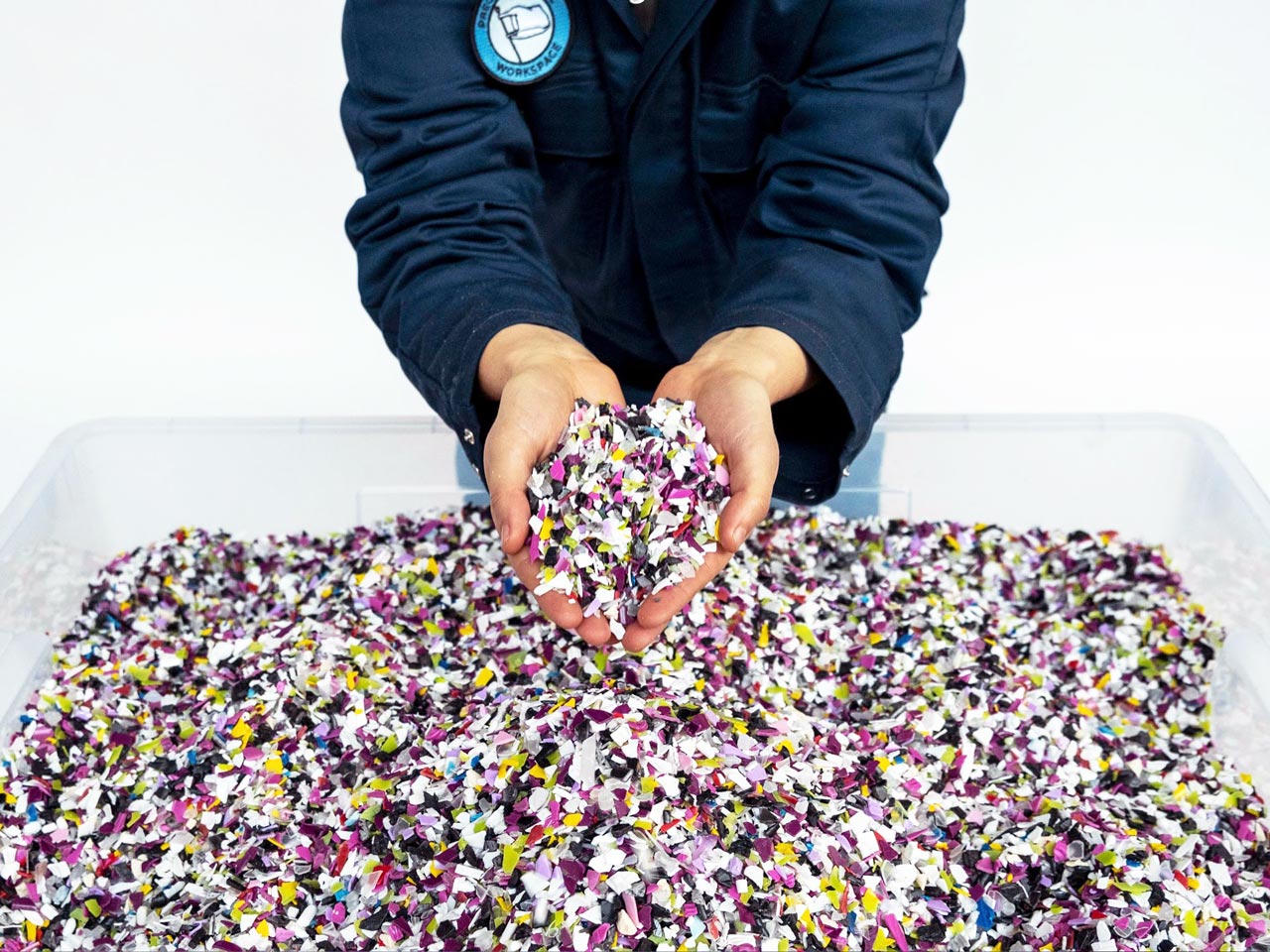
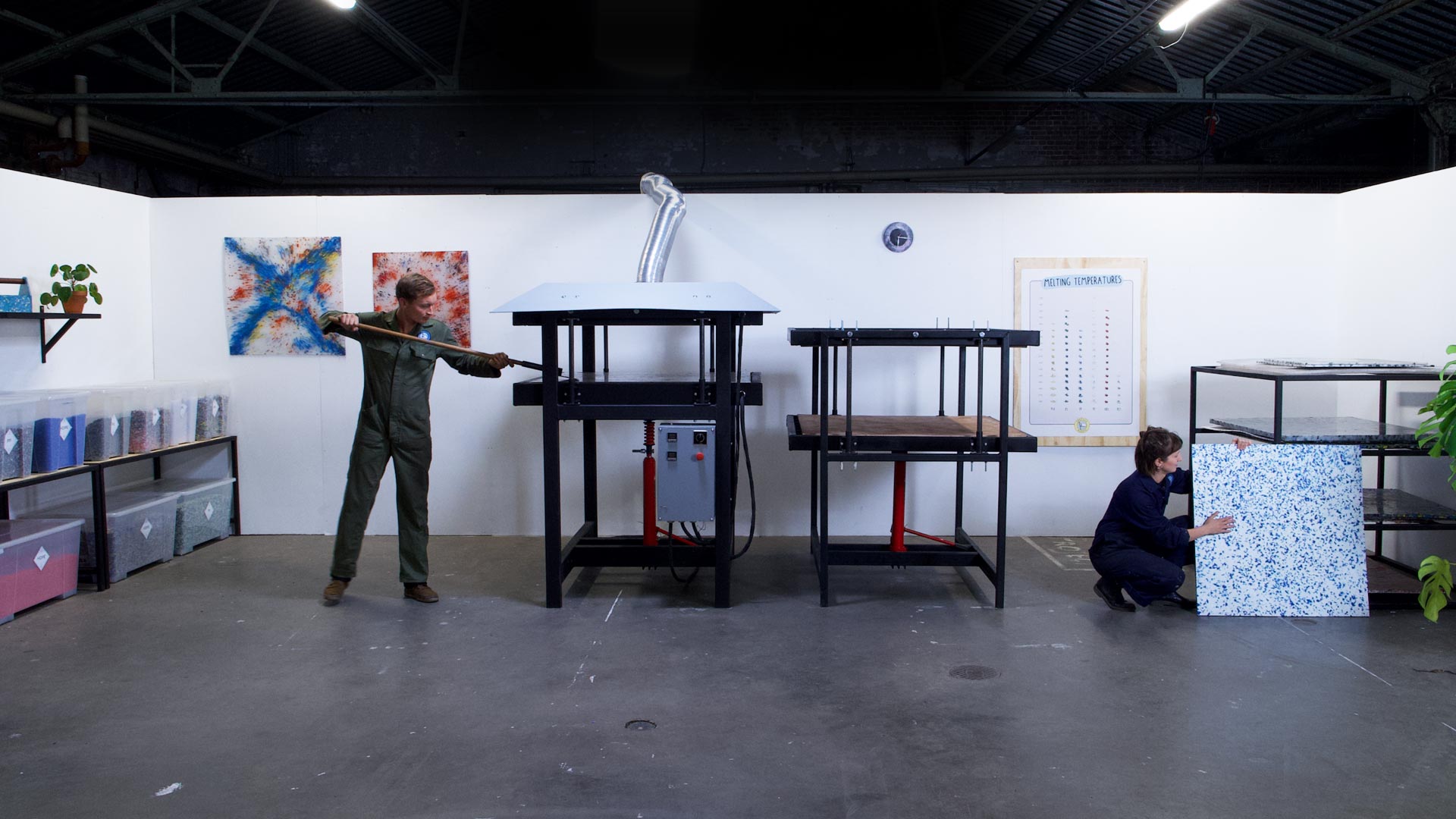
The sheetpress turns shredded plastic into big, flat sheets. Sheets are useful because they can become almost anything: furniture, walls, tiles, art. It's the machine that let small recyclers stop making trinkets and start making real volume. With it, a one-room workspace can take on serious amounts of plastic waste and actually earn a living from it.
Asb3xREVYaw
Impact in numbers
400.000+
How-to videos view
On the “Build a PRO sheetpress” video, as of july 2026
?
18.269
Blueprint Downloads
Downloads of the Sheetpress Workspace Starterkit, as of july 2026
?
+300
Total Builds
Data from bazar sales, Platform profiles and Instagram accounts
?
60+
Countries
Based of locations of our map pins and Bazar sales
?
The Problem
Back in 2017, our machines could shred, inject and extrude plastic. Good for small products. Not good for making a dent. If you wanted to recycle plastic by the ton, you were stuck.
A few industrial companies could press plastic into big sheets, which is exactly what we needed, since a sheet can become almost anything. But how they did it was a closely guarded secret. All we knew was that it took enormous, expensive machines. Nobody was sharing.
So we figured we'd work it out ourselves and give it away. The community needed a sheetpress. We decided to build one. Somehow.
What We Did
This was during Version 4, when a lot of our tools were getting upgraded. The sheetpress was different. There was nothing to upgrade, because it didn't exist yet. Three people took it on and started from a blank page.

The idea was simple. Getting there was not.
We started with a hotpress, two heated plates that squeeze the plastic into a sheet. It worked, but the whole machine had to heat up and cool down every time. Painfully slow.
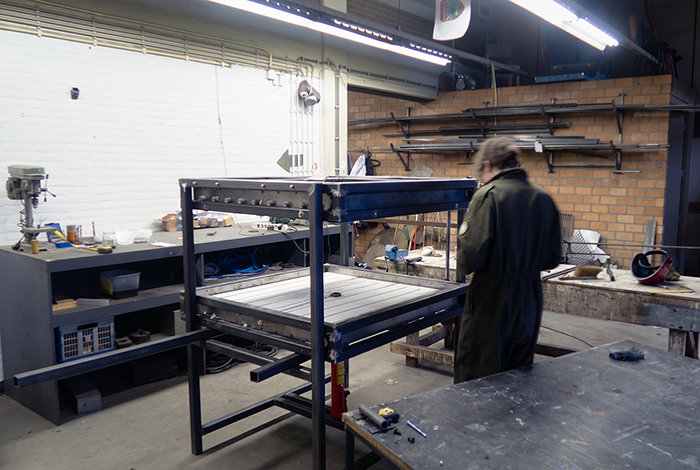
So we split the job: a pizza oven to melt the plastic, a cold press to flatten and cool it. Faster, but the oven was too small to make a decent-sized sheet.
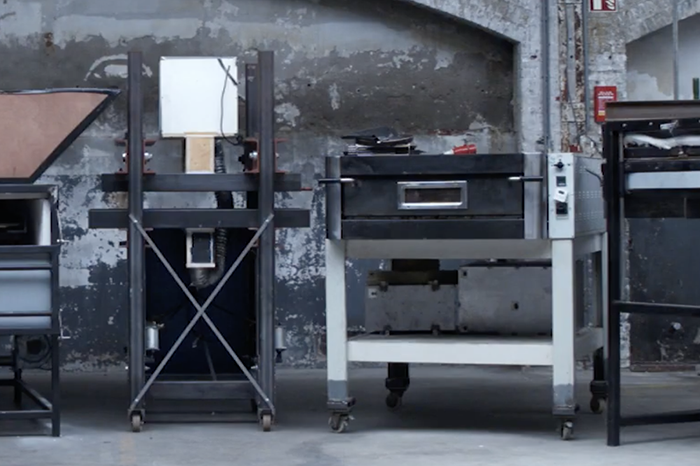
So we built our own oven from scratch, and our own cold press to match. Better, but now the whole thing was a bulky, heavy beast.
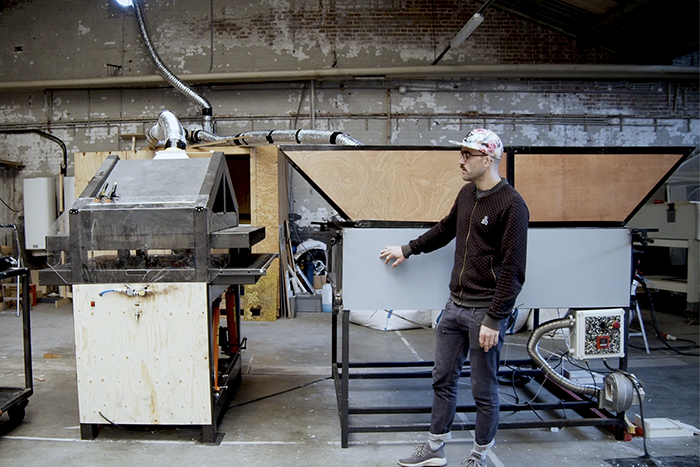
Finally we pulled the best of every version together and spent a long time testing against the boring problems that actually matter: warping, uneven pressure, brittle surfaces, sheets that wouldn't lie flat.
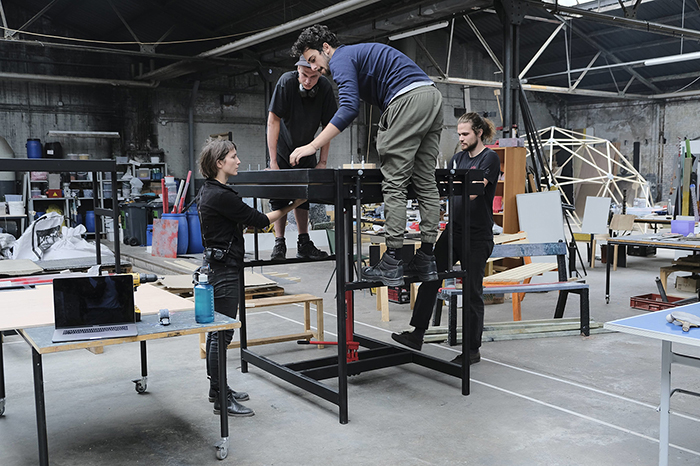
It took 18 months, more than €50,000 in materials alone, and a lot of dead ends. But we got there: a three-part sheetpress system that does the whole job.
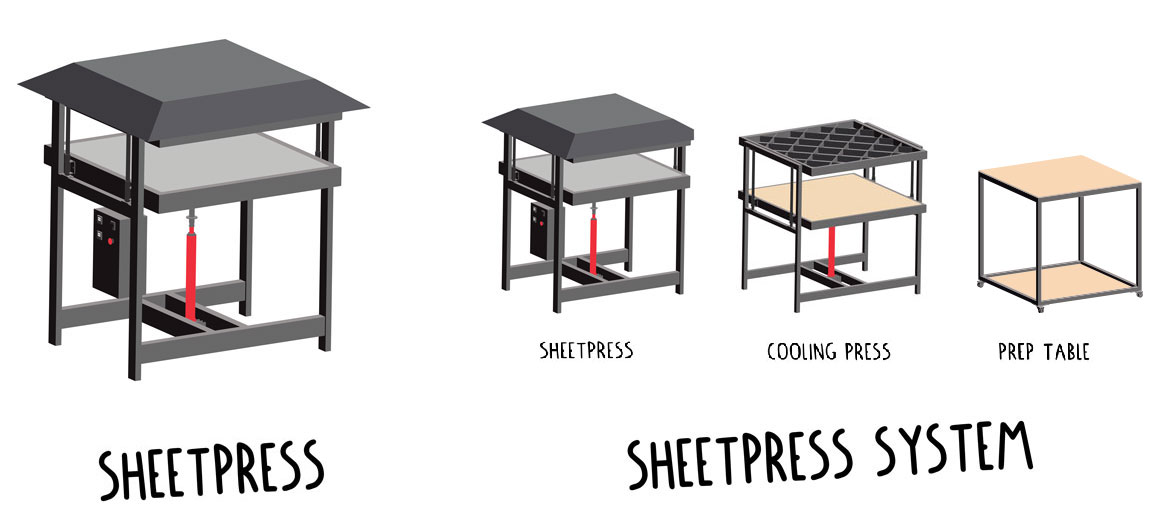
These are "semi-industrial" machines. They handle a lot of plastic, but they're built for a workspace, not a factory. We designed them the way we design everything: to be affordable, easy to build, and easy to use.
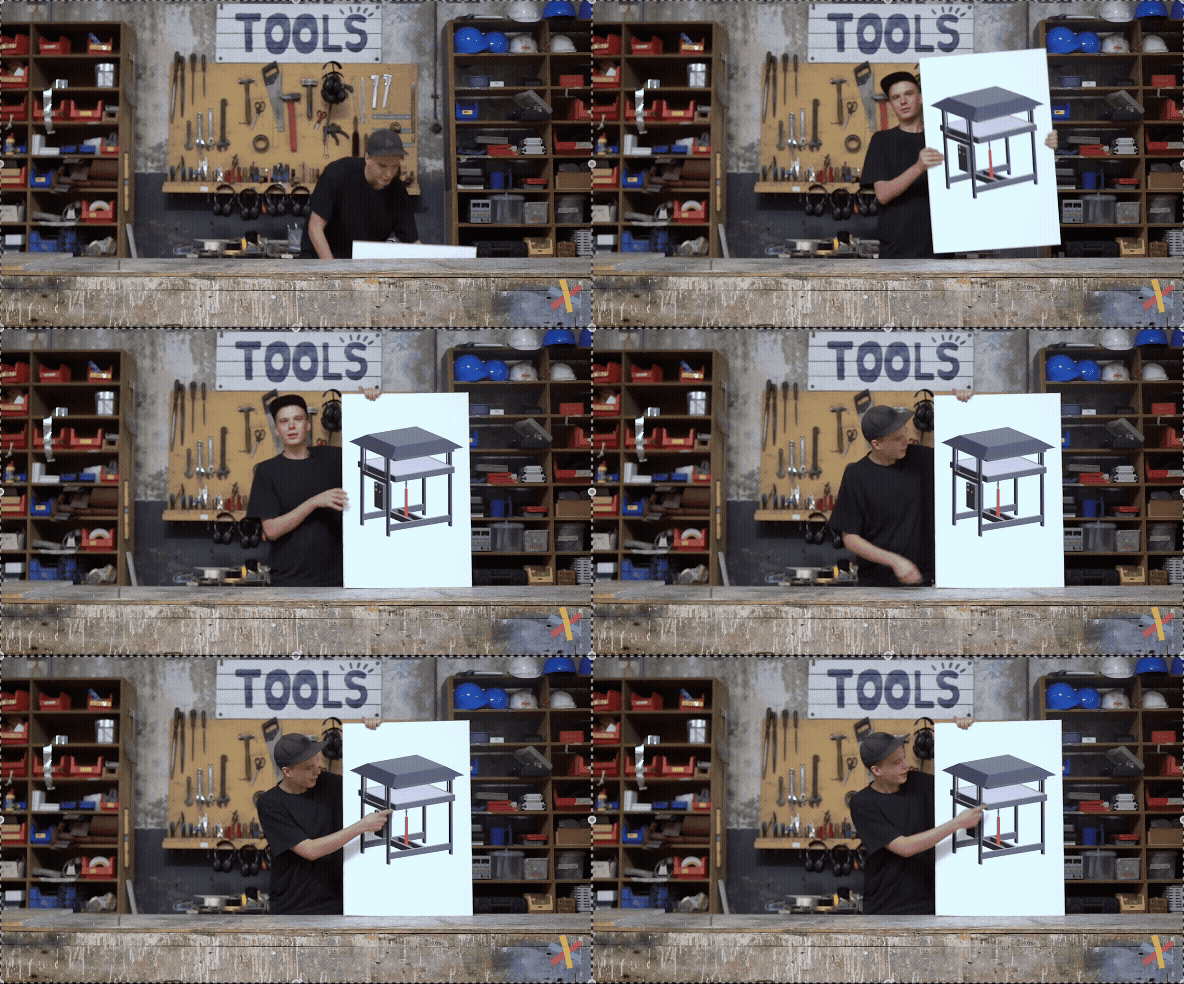
Then we put the whole thing online for free. Step-by-step build and how-to videos went up on YouTube, and people actually watched them.
Introduction
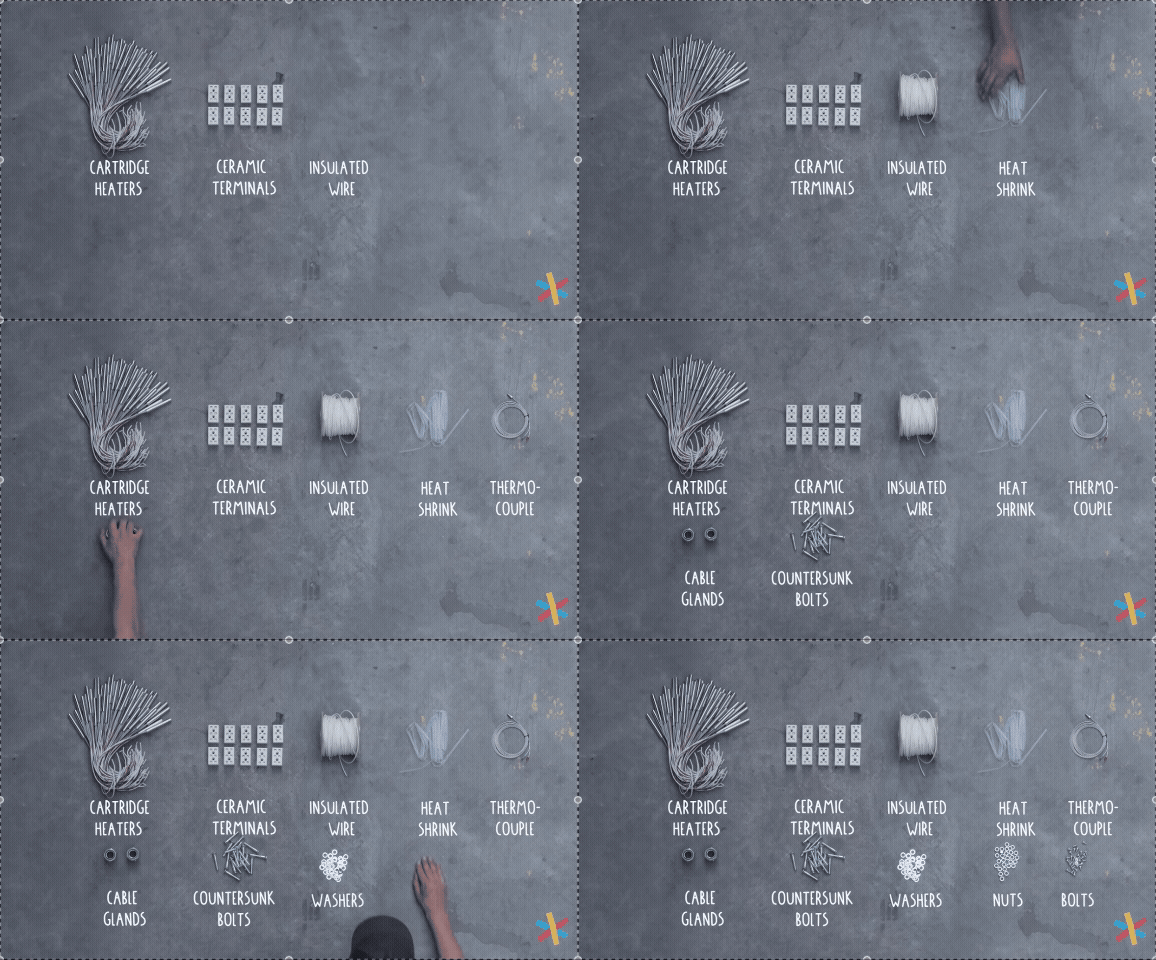
Parts needed
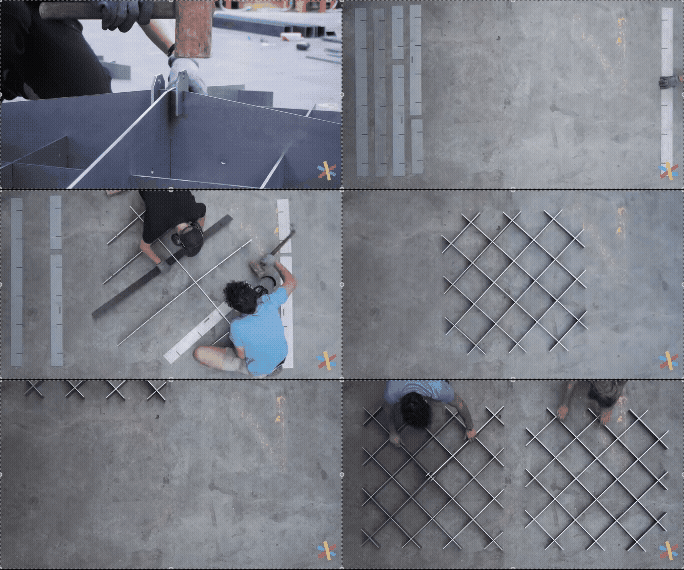
Assembly
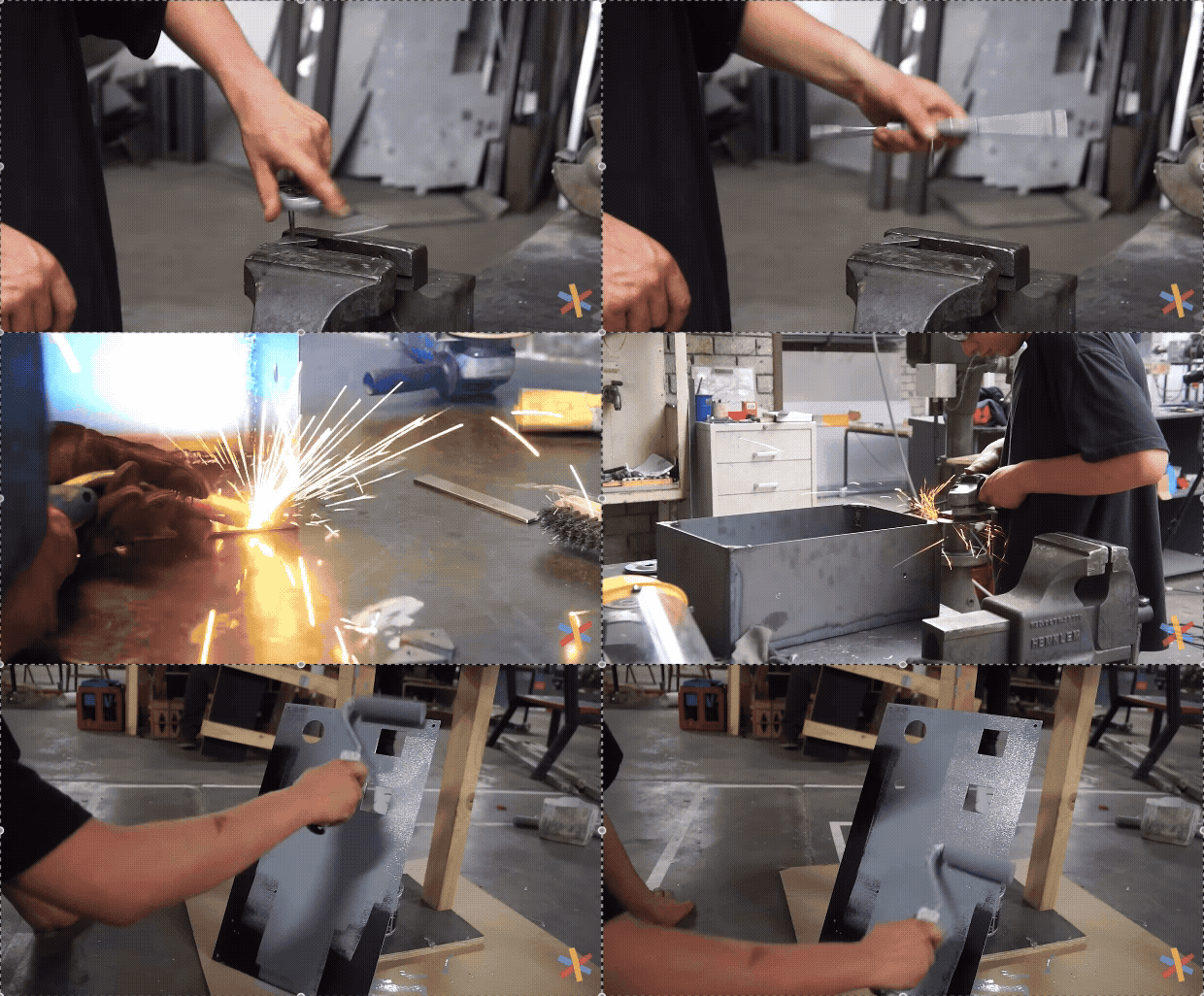
Welding
We also made a Starter Kit: business plans and tools to handle the unglamorous parts of getting a workspace running. The machine is only half the job. The other half is making a living from it.
What the Community Did With It
This is the part we didn't build. Once the designs were out, people took them further than we could have on our own.

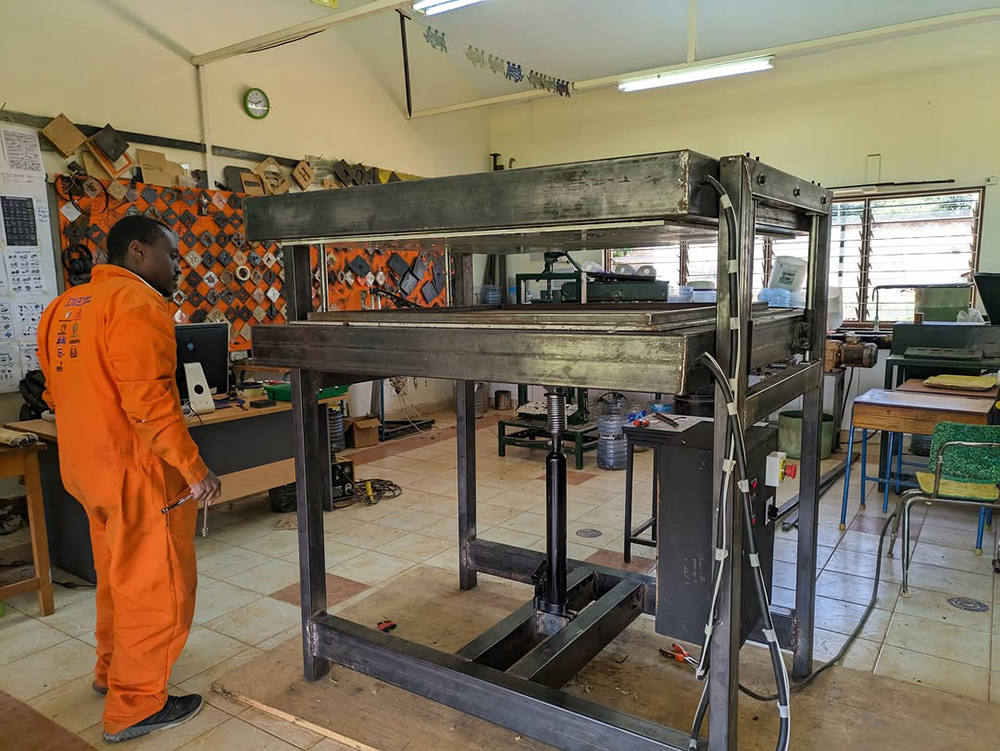

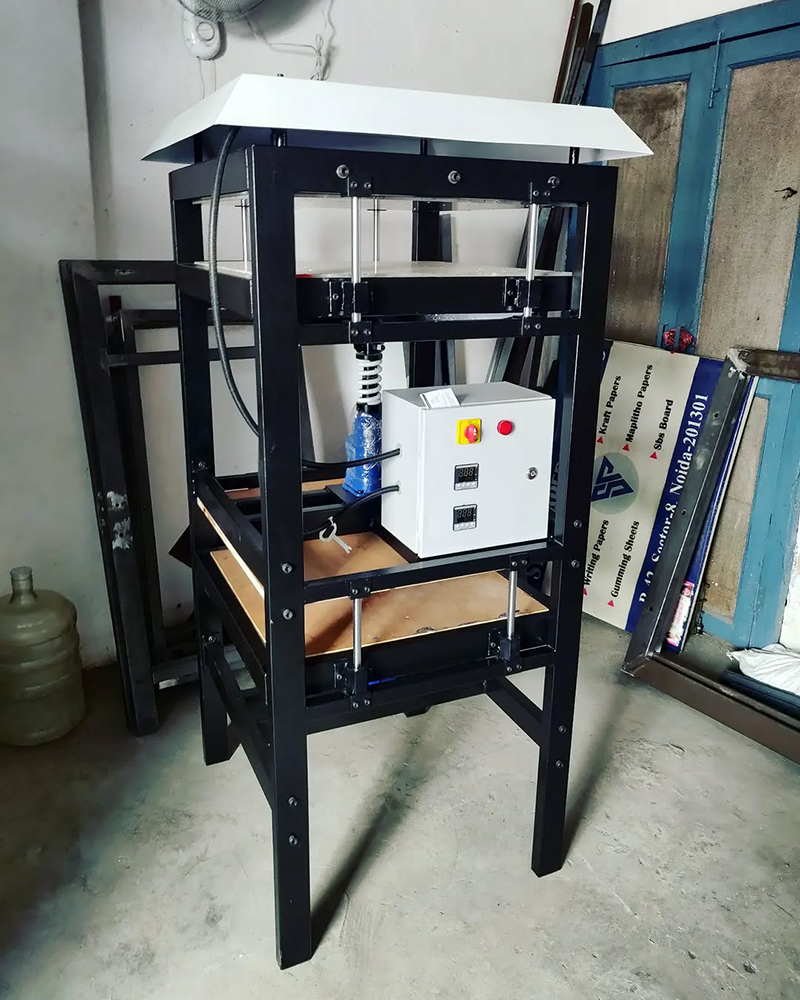

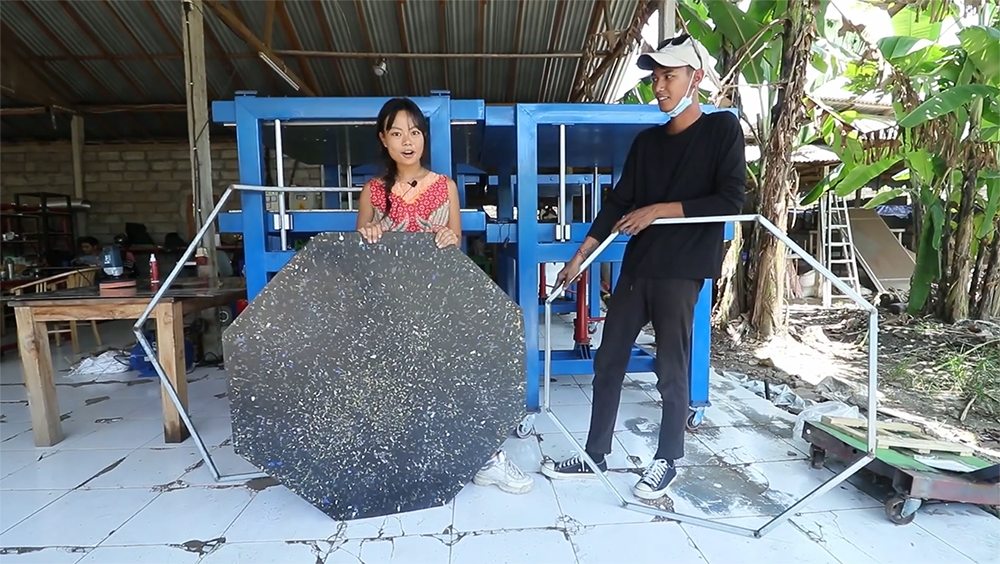

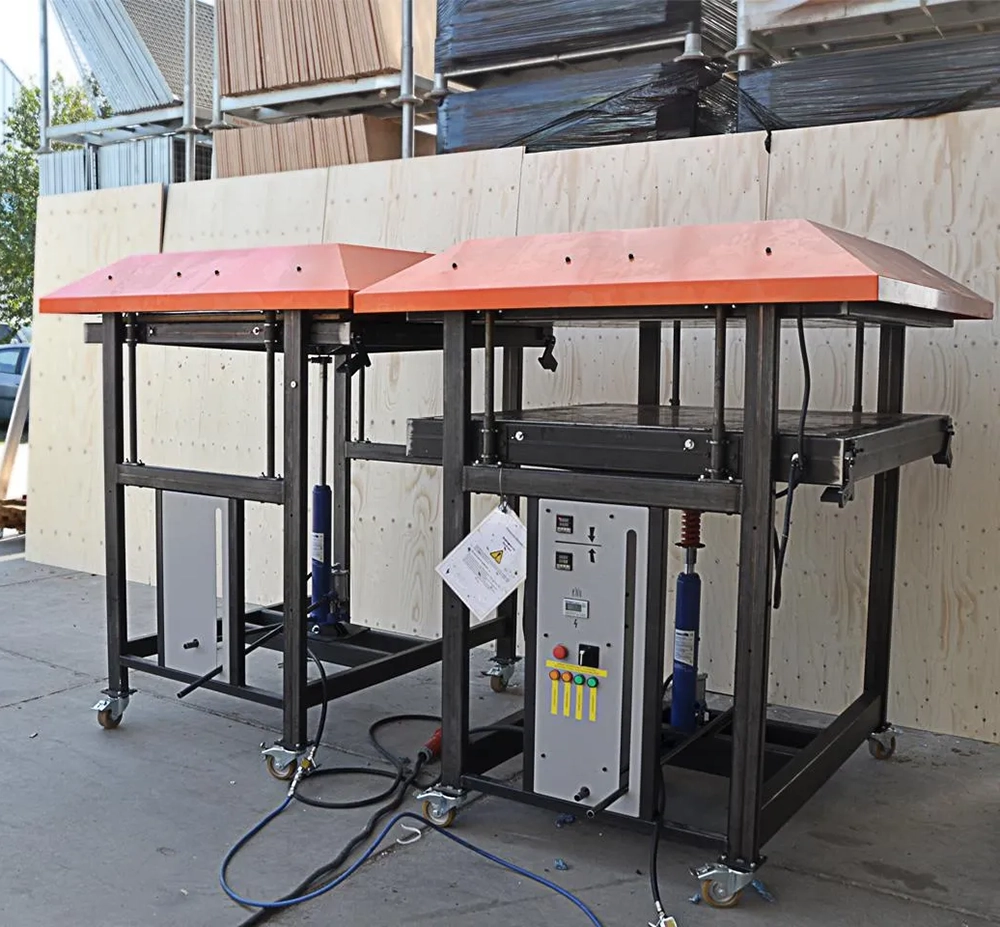

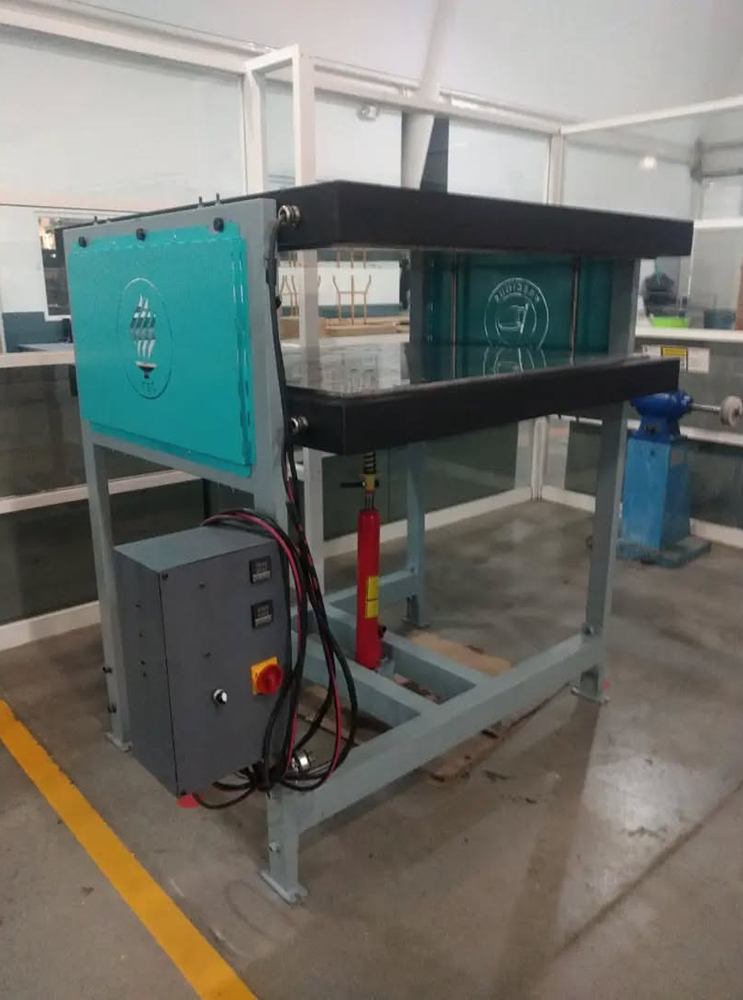

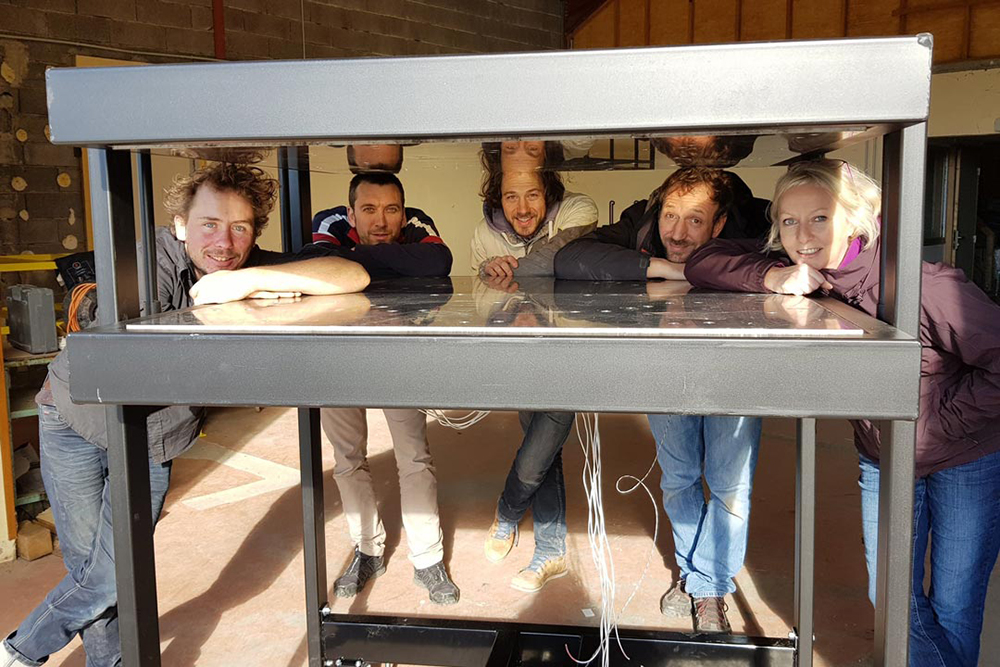

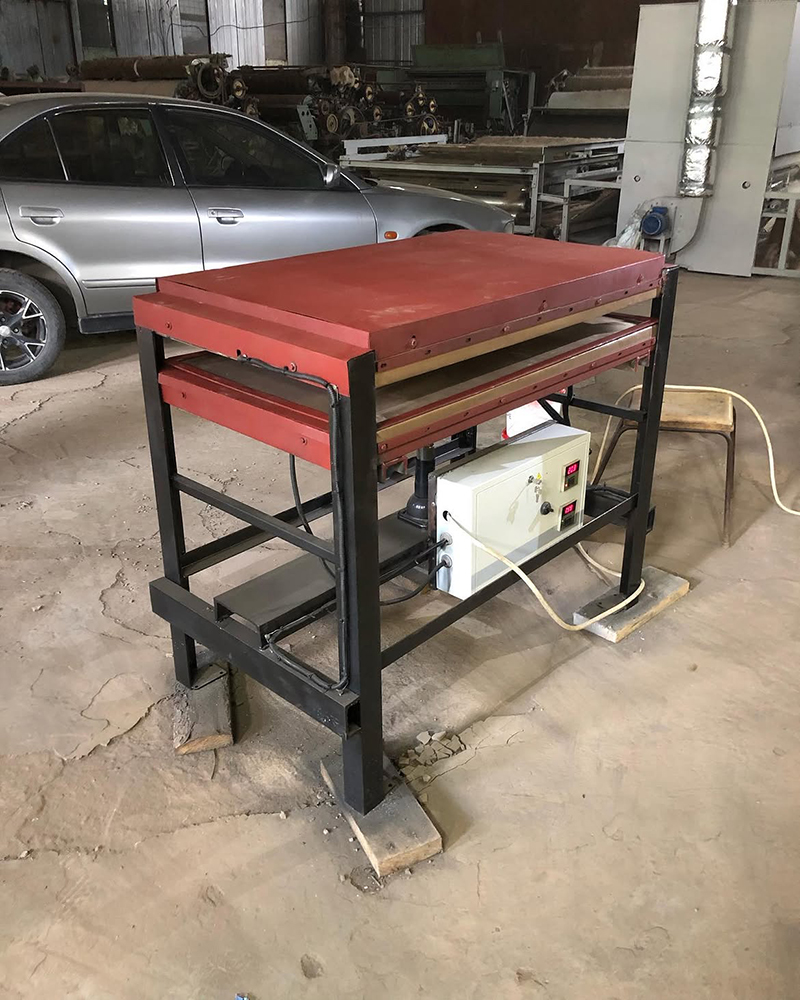

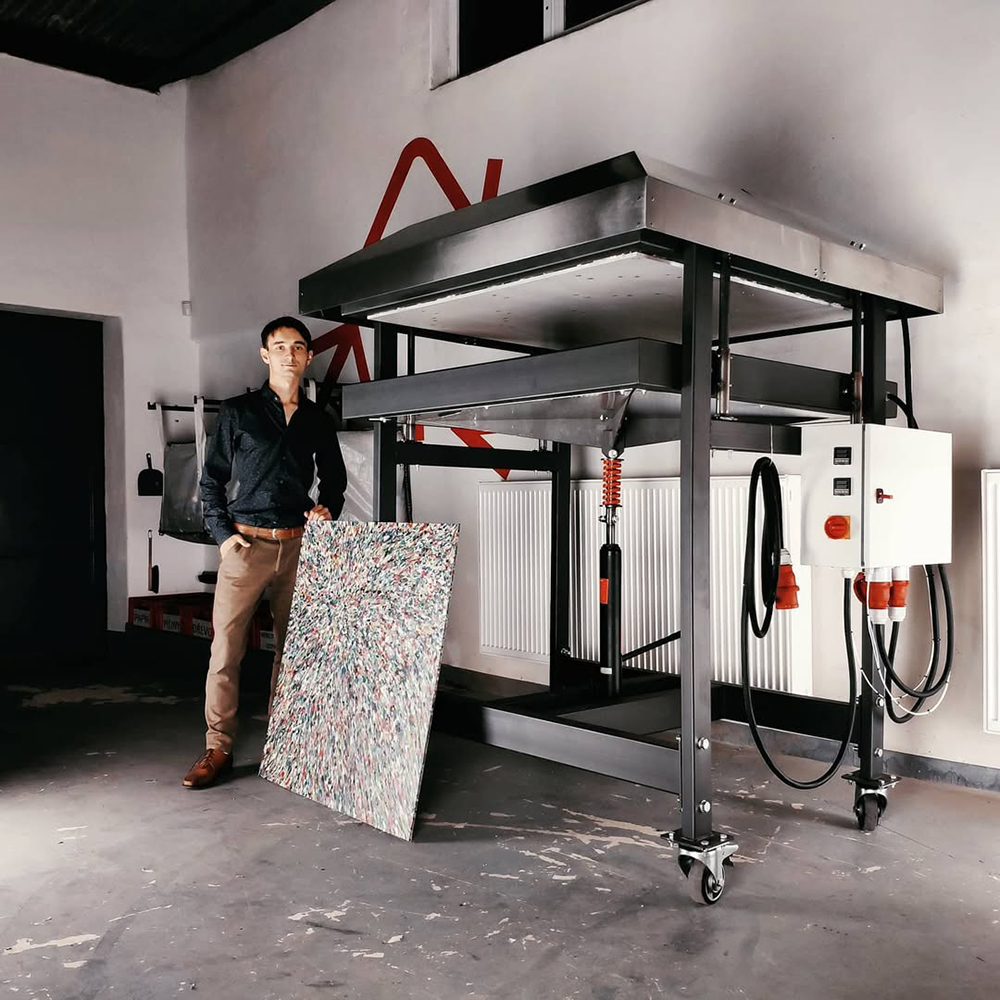
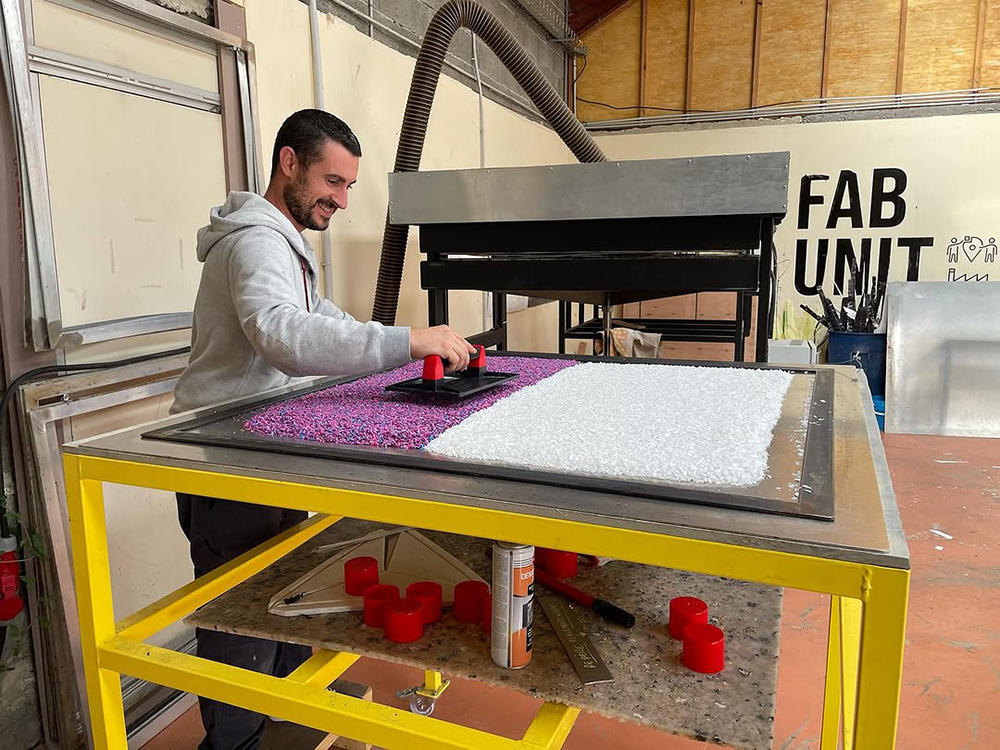
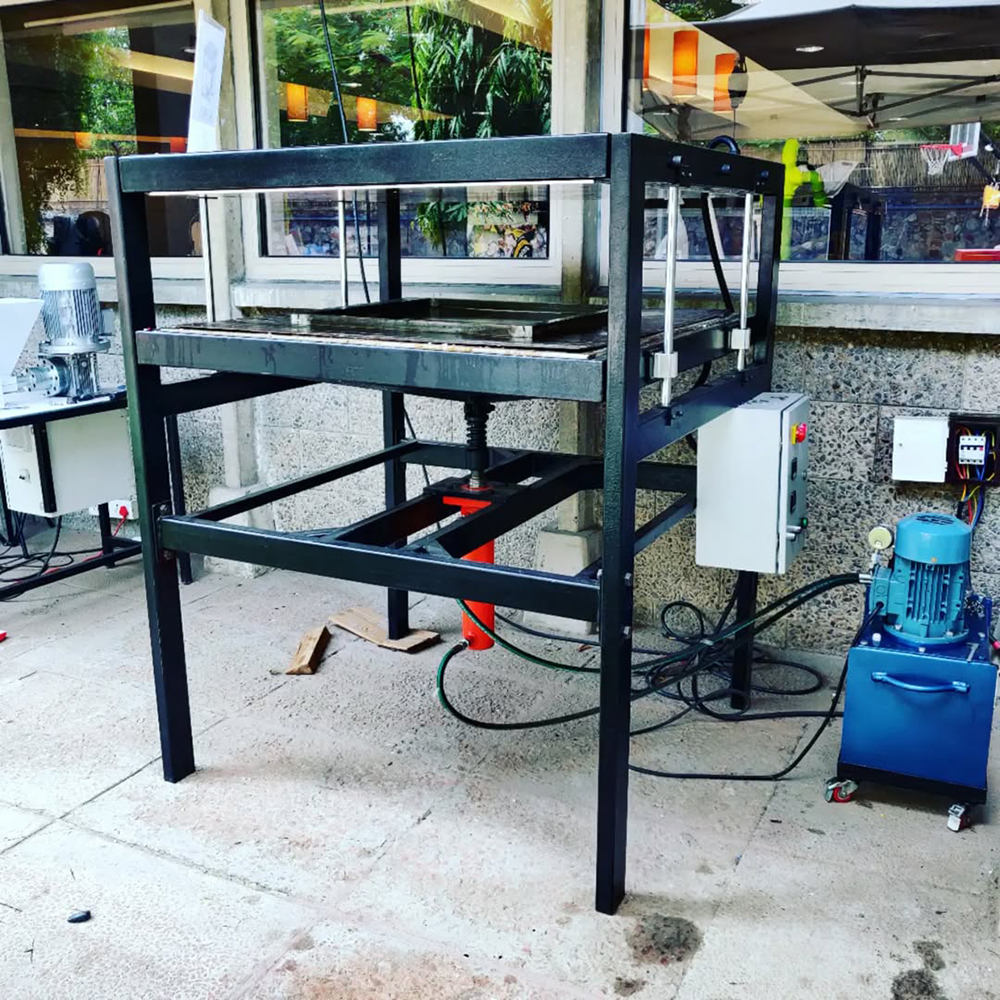
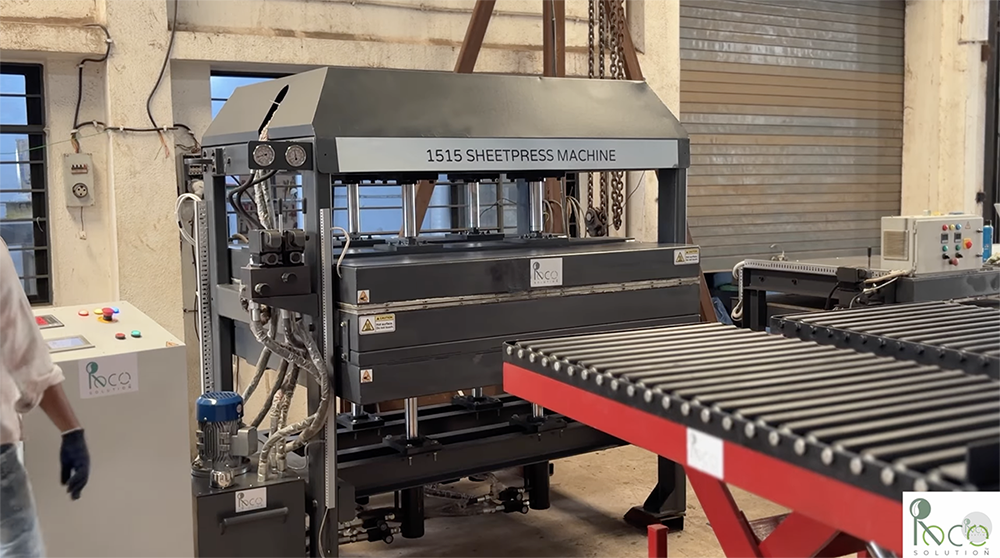

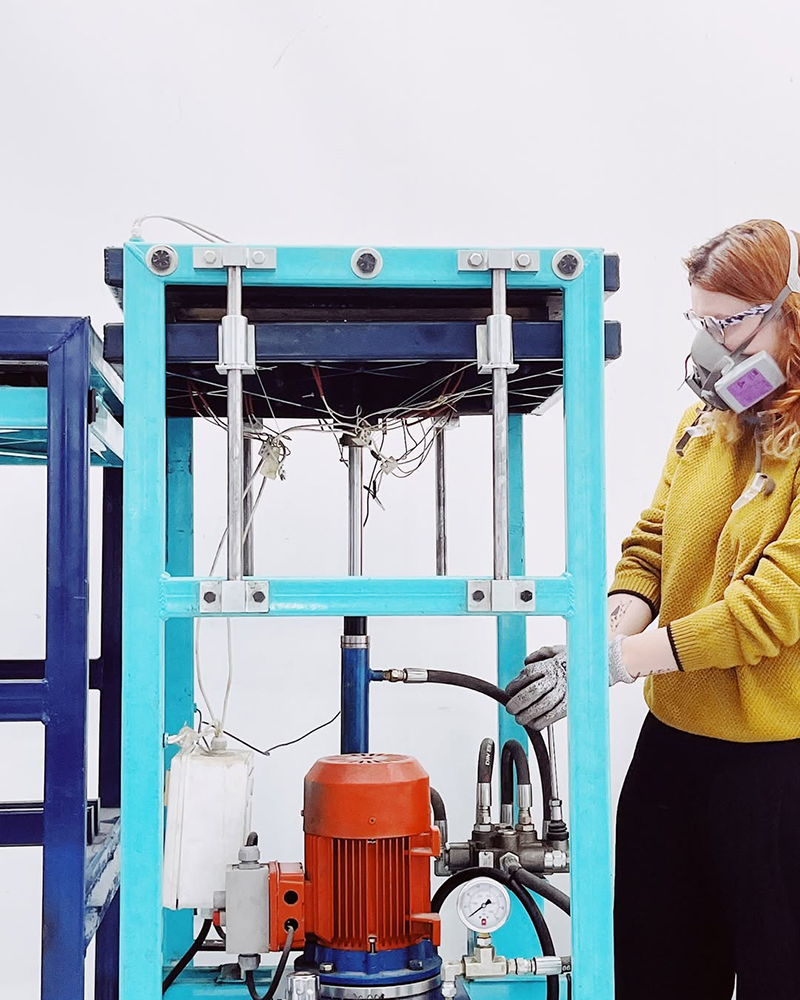
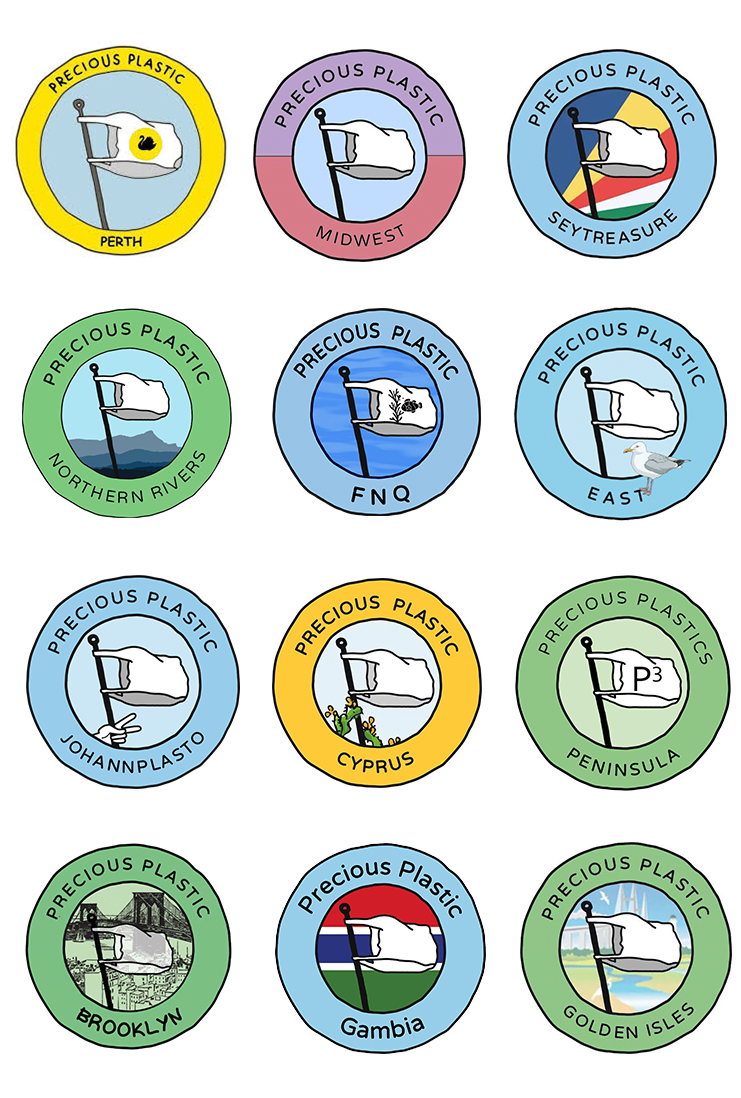
There are now 63 sheetpress workspaces on our map, across six continents (still waiting on Antarctica). Places like Paste Lab in Indonesia, recycling 150 tonnes of plastic out of one small studio.
And our community has written 103+ Academy and Research articles about working with sheets: hacking the machine, shrinking it, scaling it up, getting it CE-certified. Every one of those is more free knowledge for the next person who wants to start. That's the whole point: we build one thing, and thousands of people make it better.
Impact
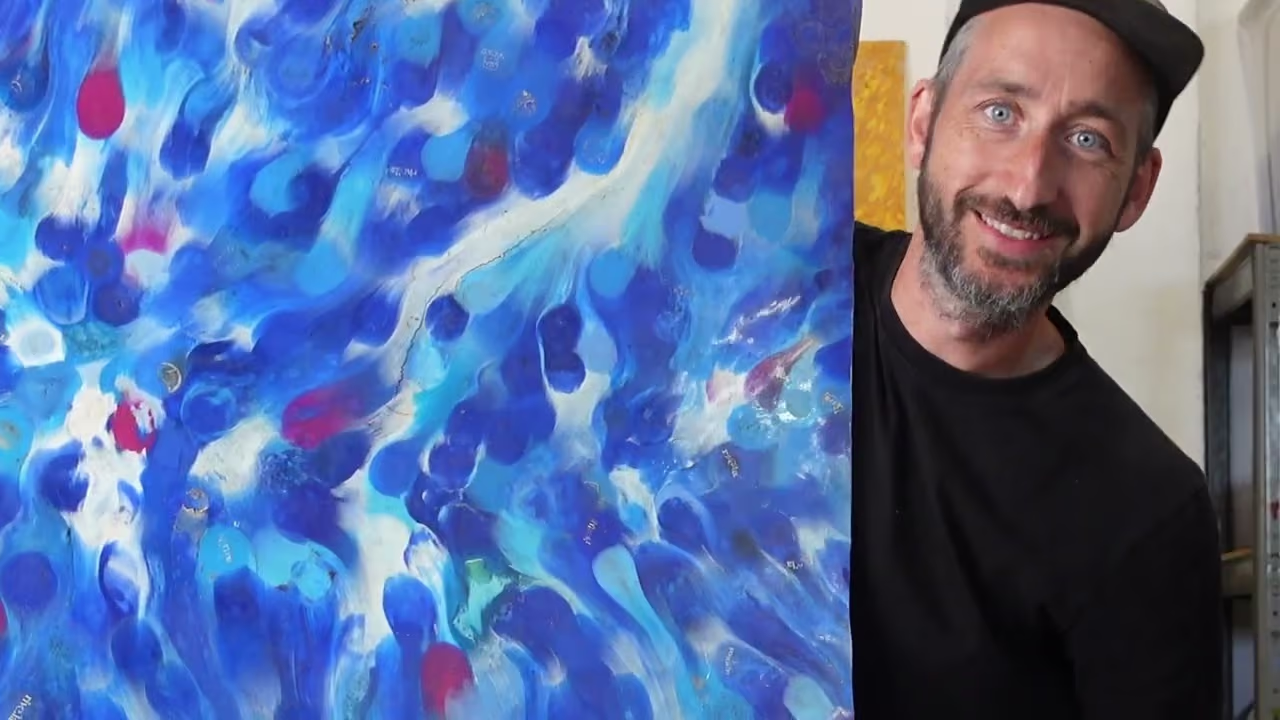
The release in 2020 changed what was possible for a small recycler. Suddenly you could process serious amounts of plastic, and turn it into almost anything: furniture, building materials, everyday objects, one-off pieces.

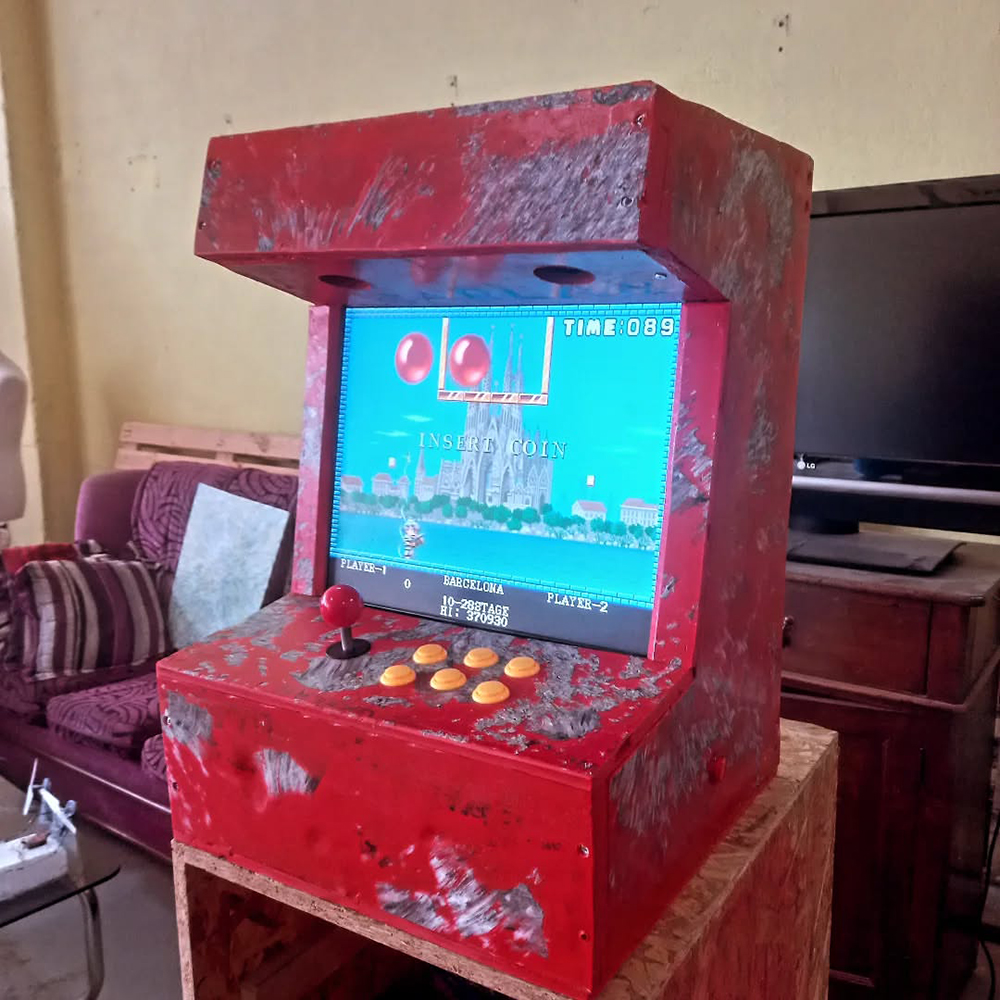
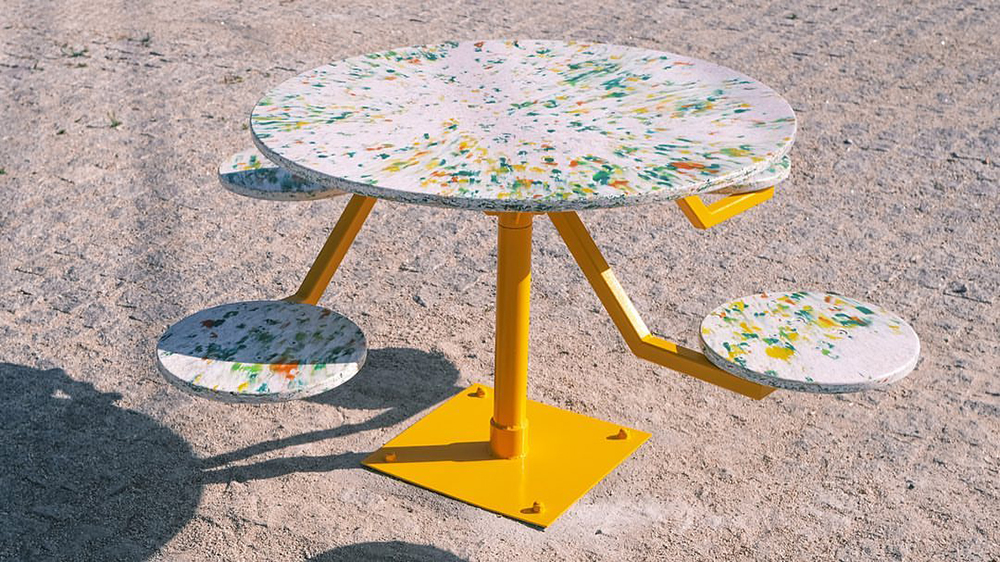
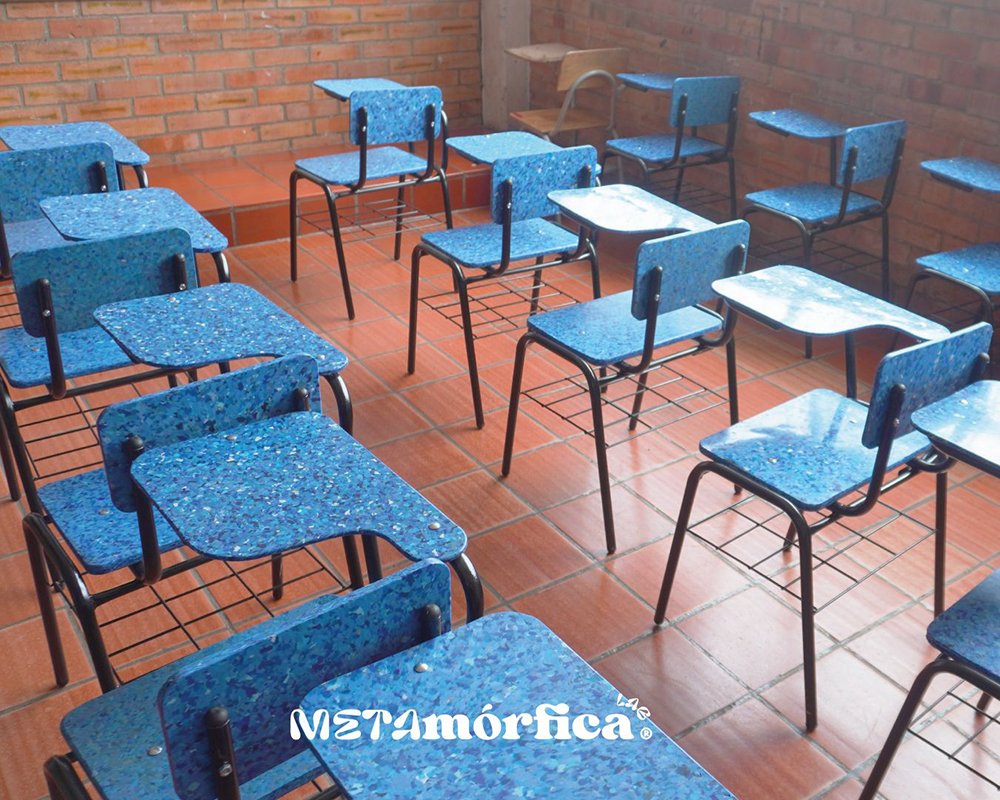
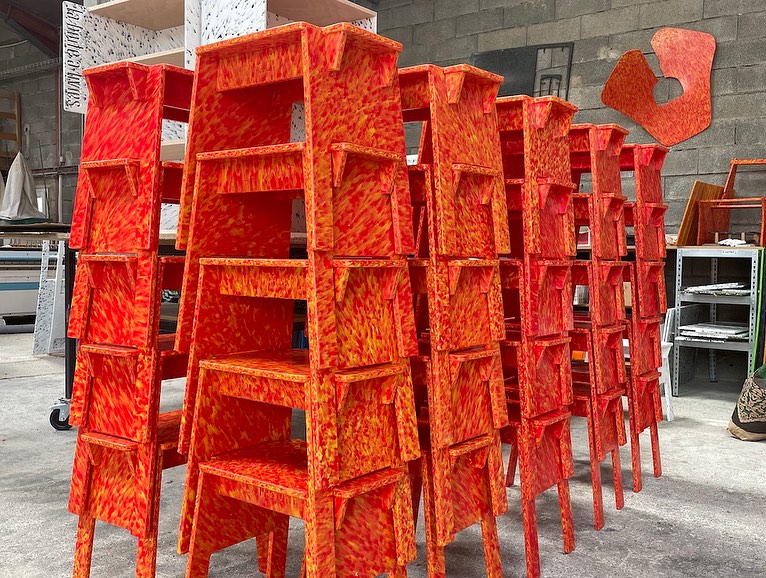
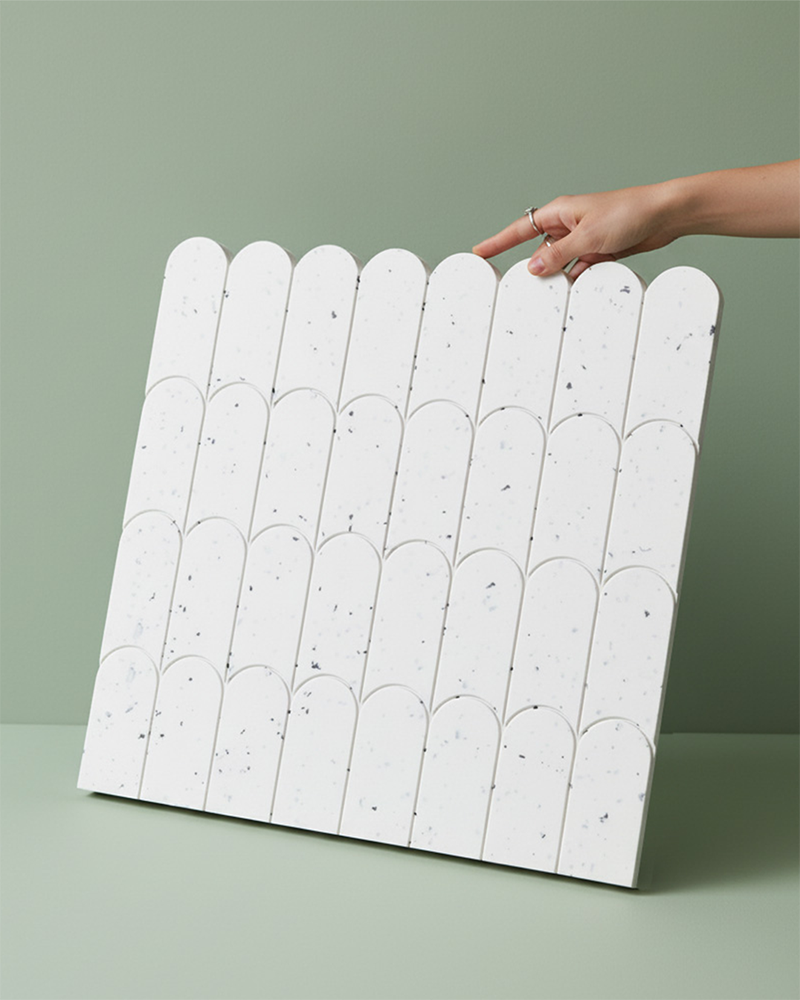


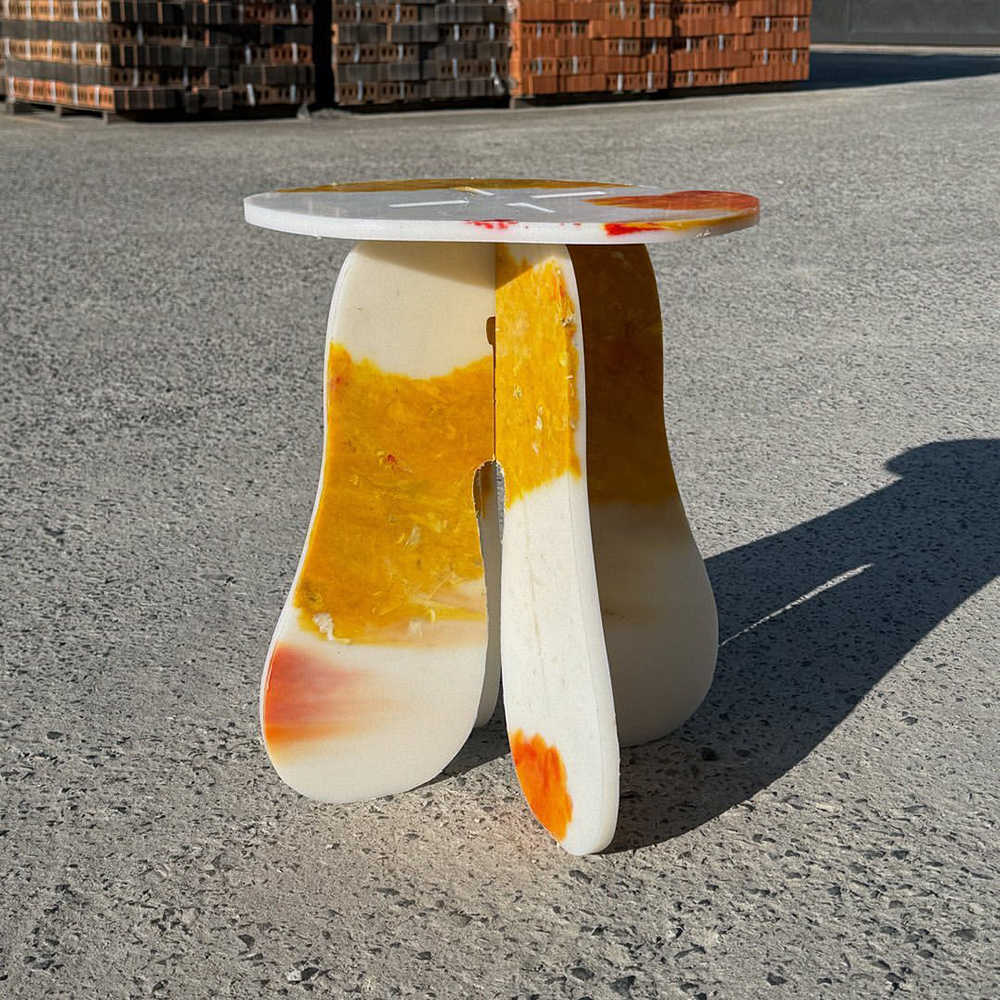
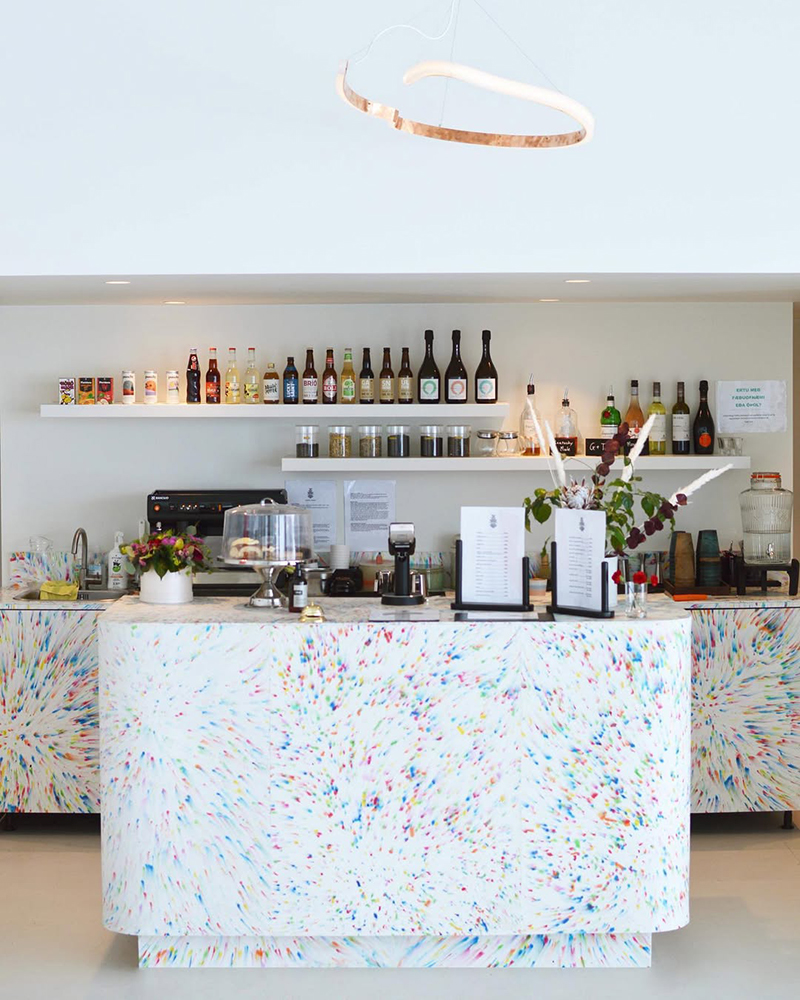
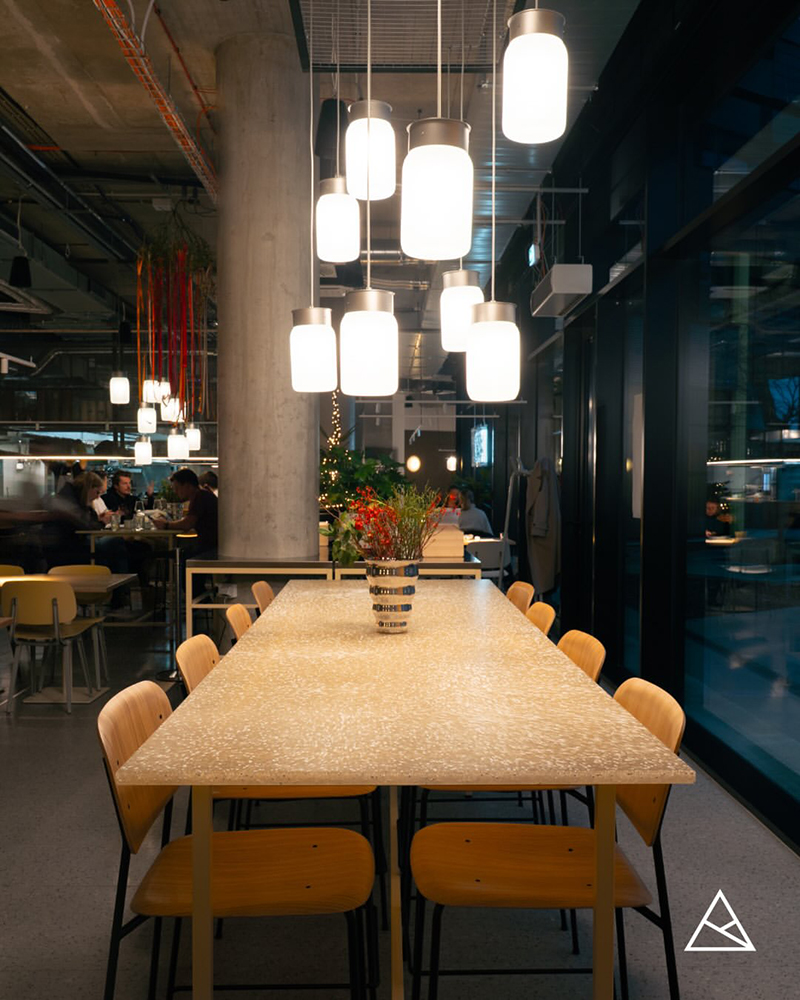
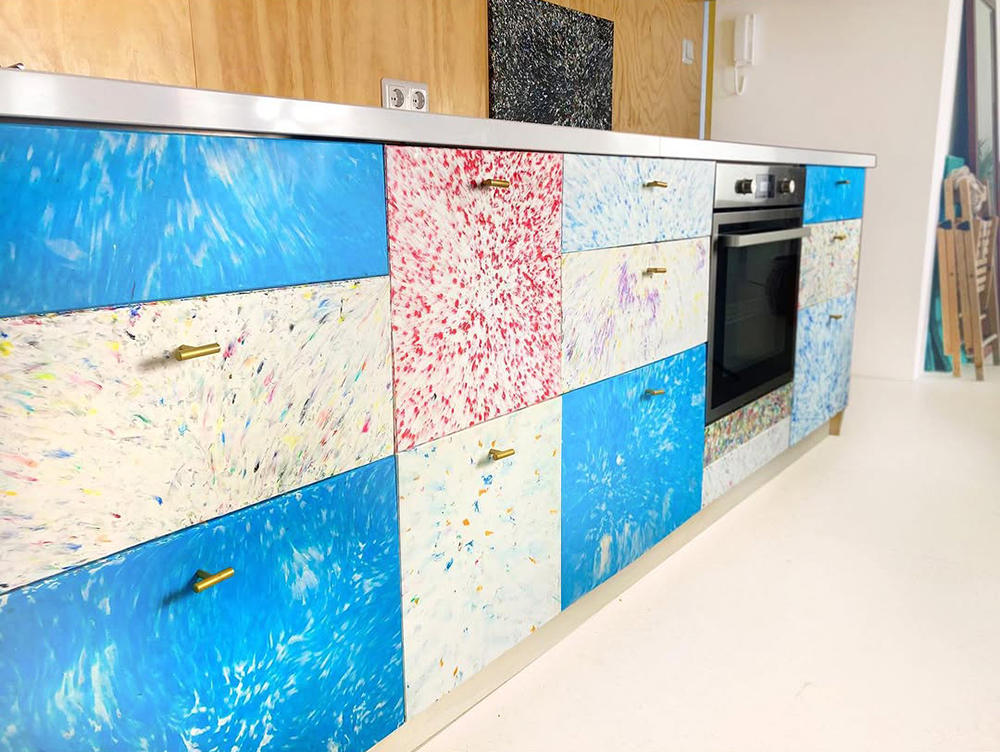
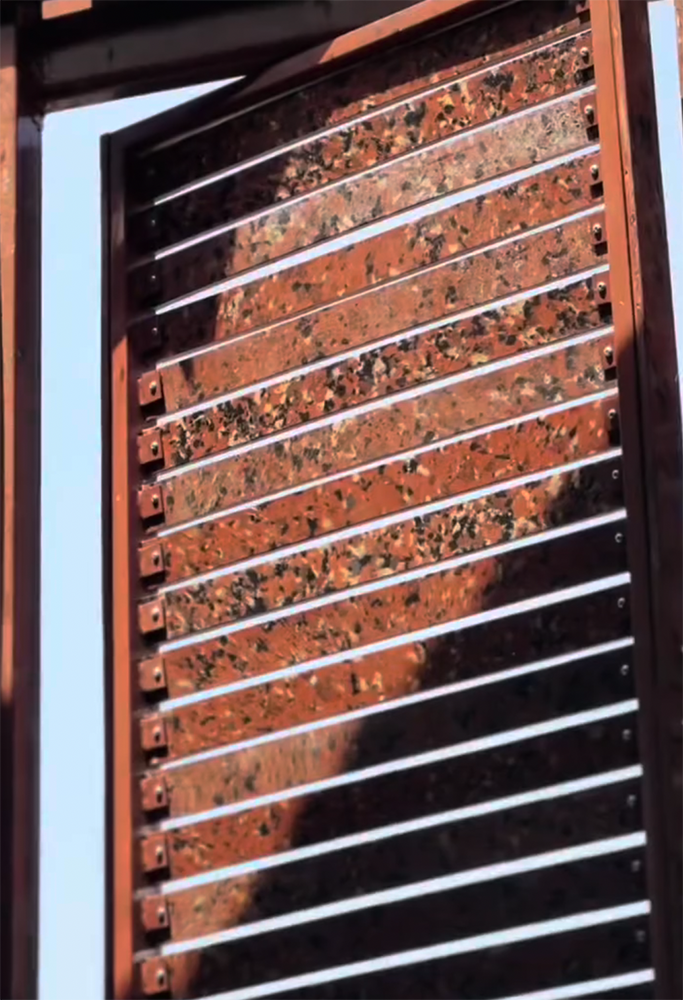
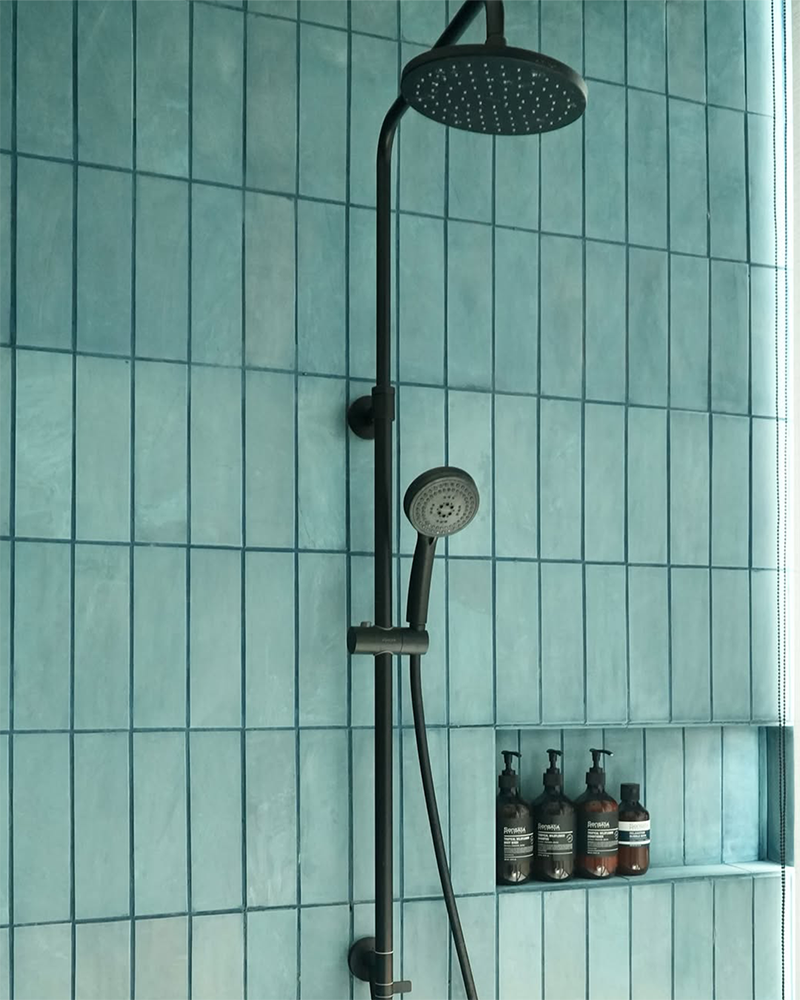
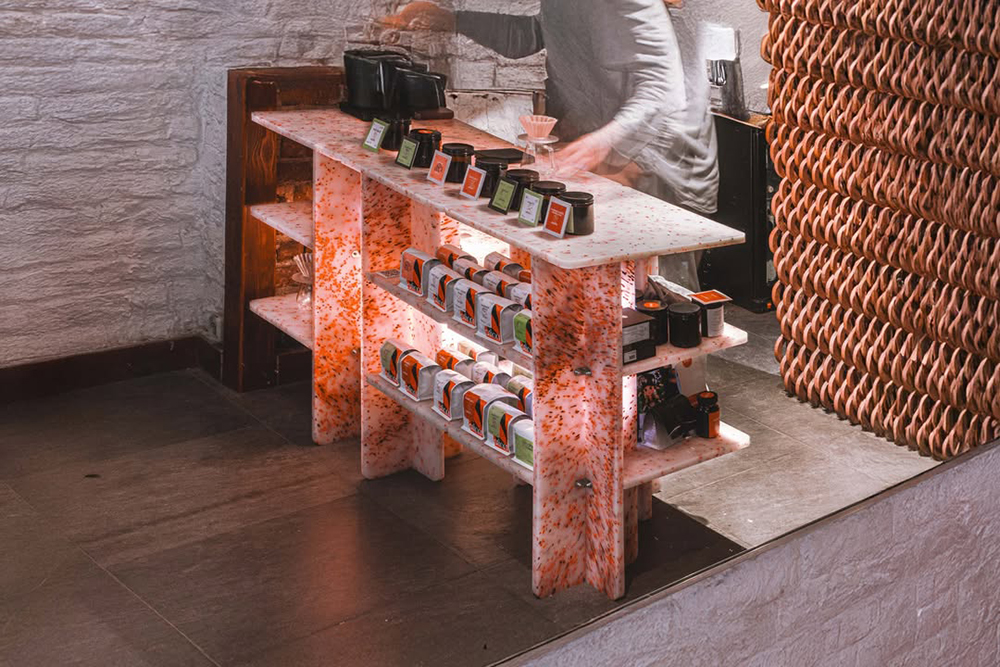
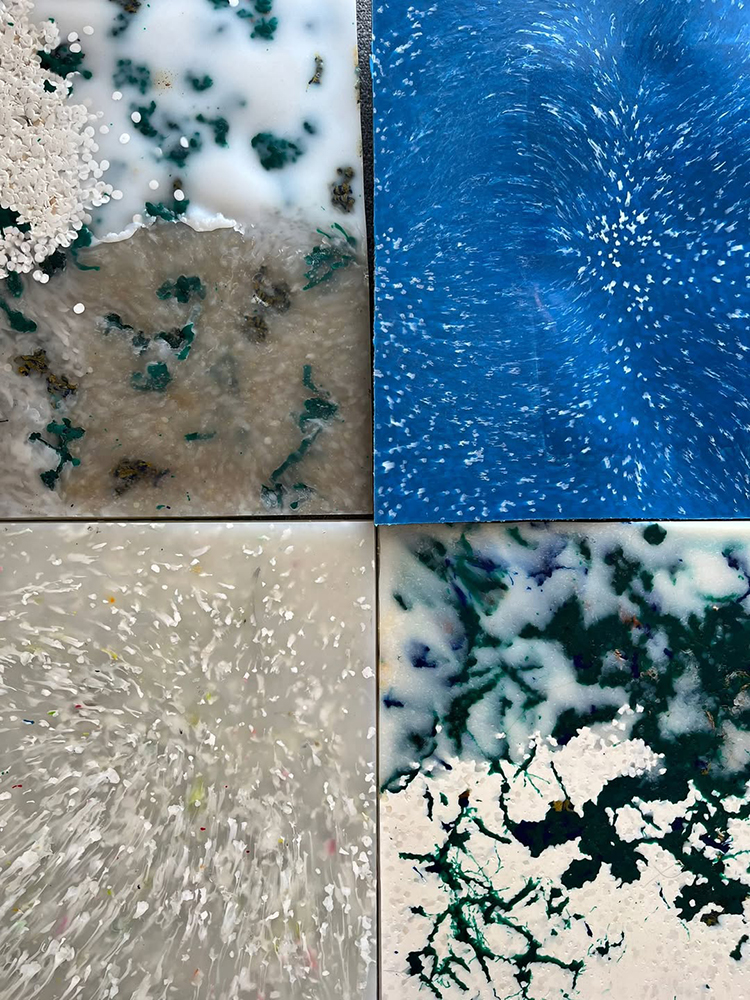
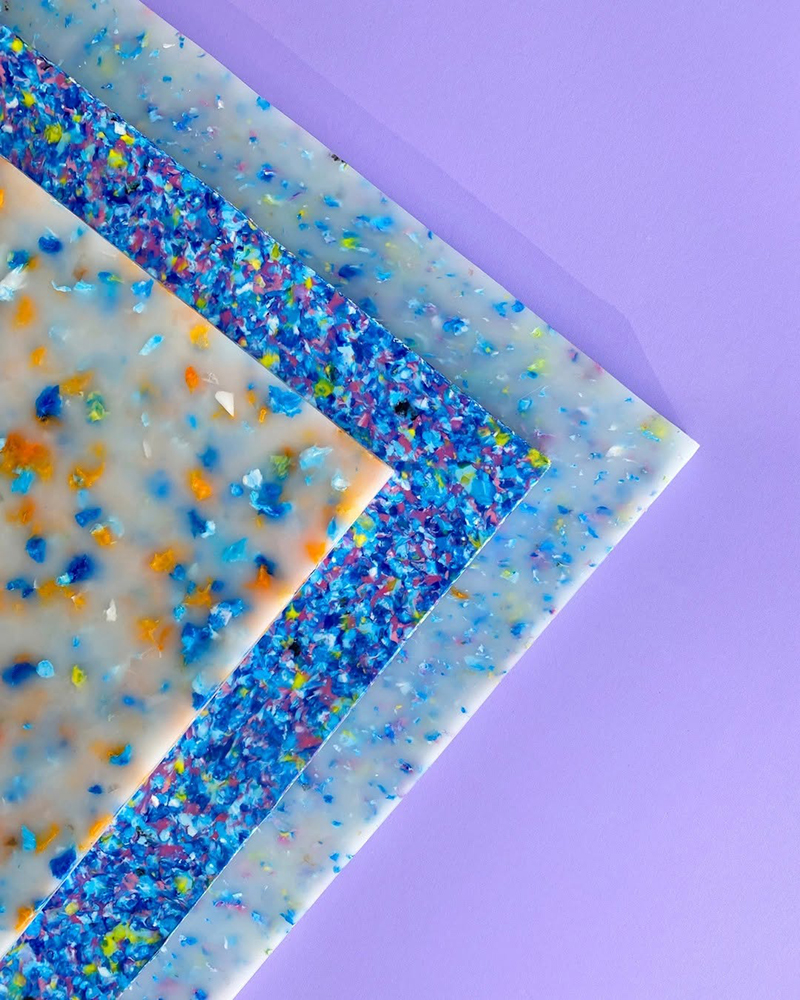
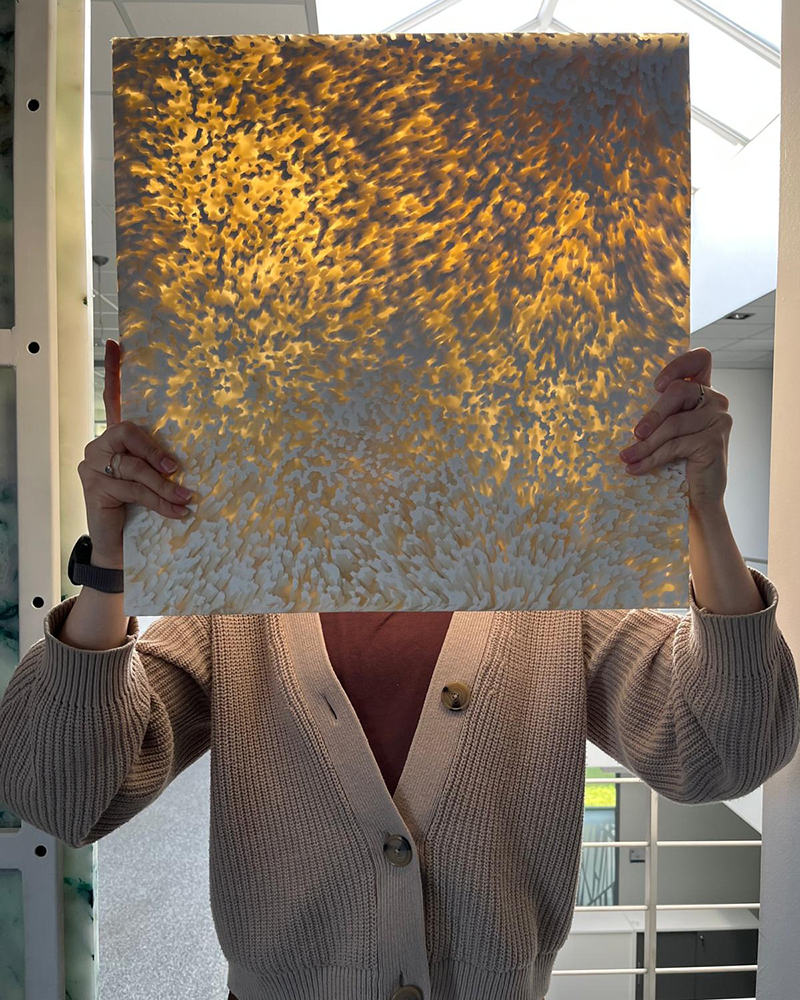
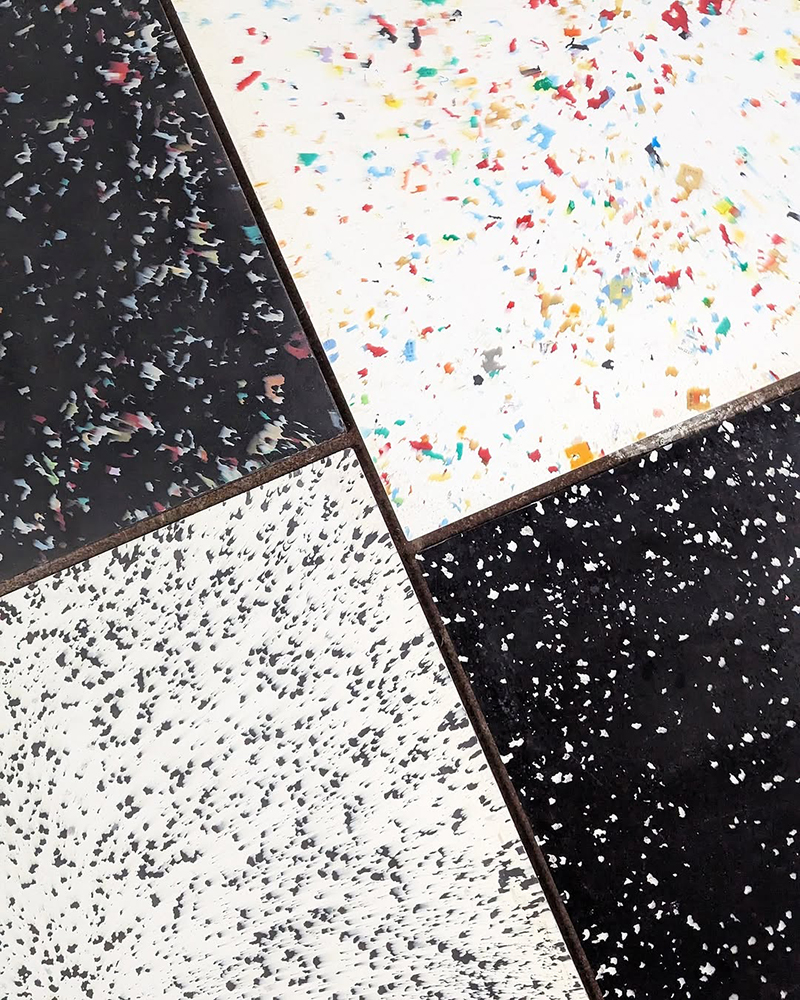
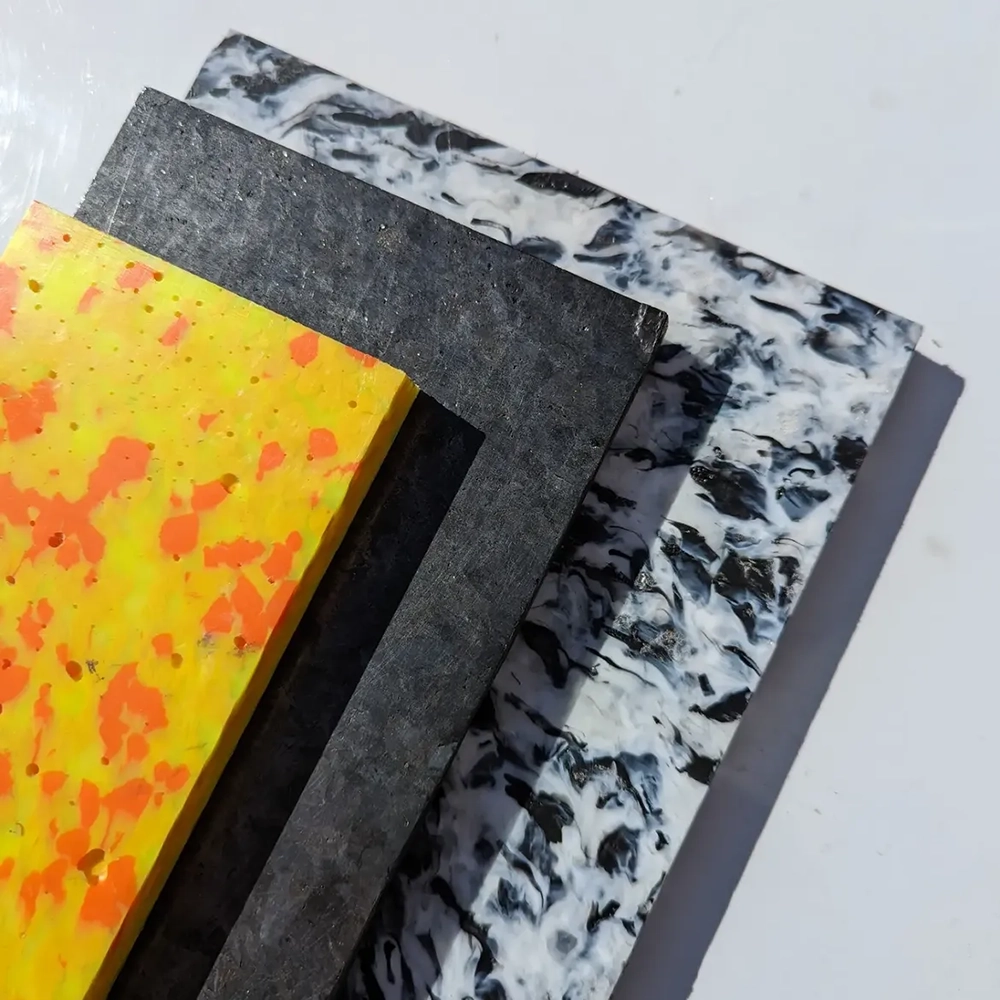
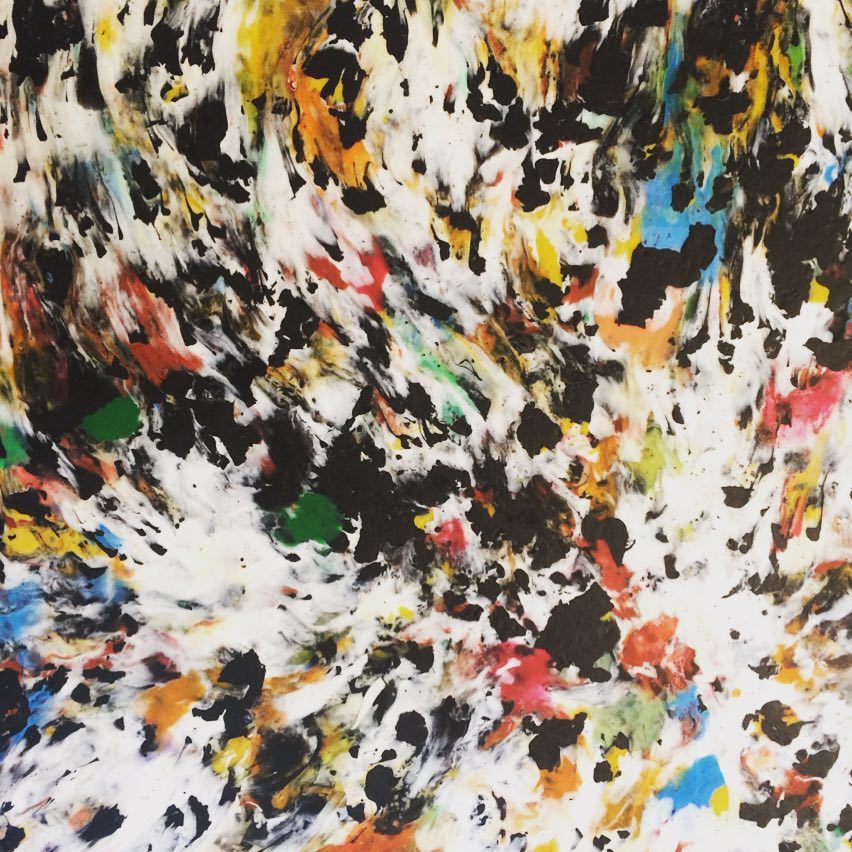
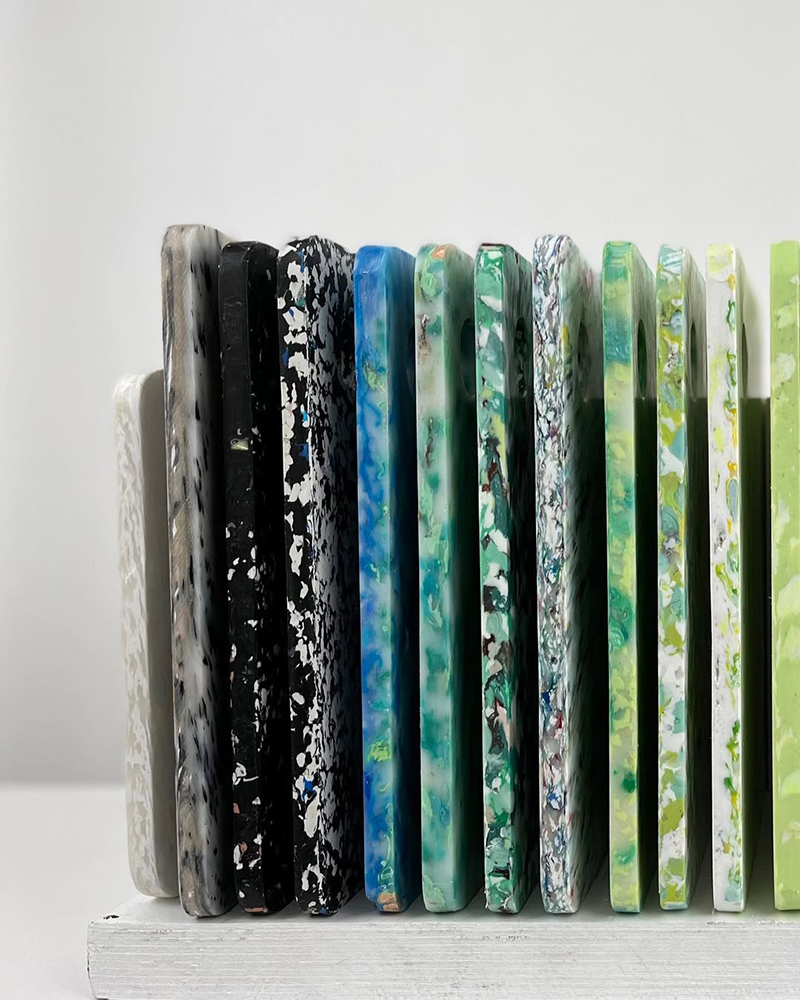
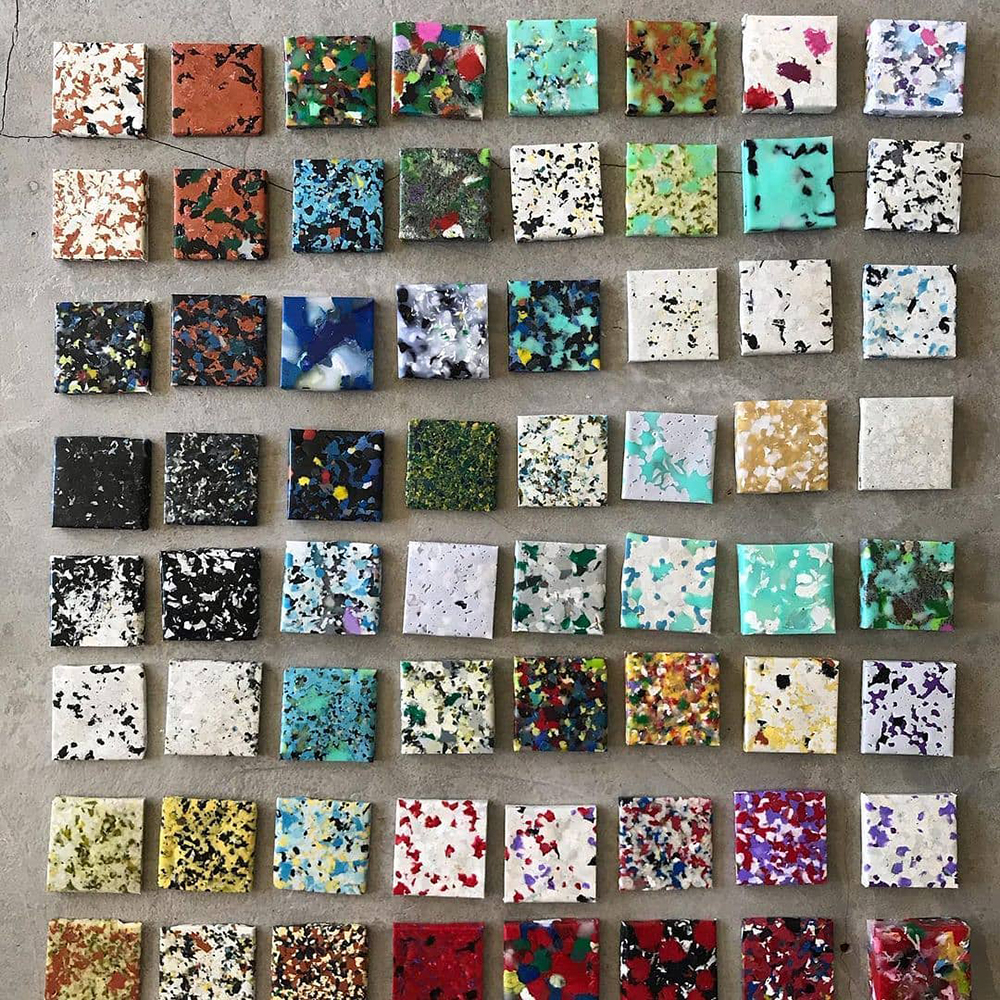
It also put a new look into the world. Those marbled, speckled patterns from flowing recycled plastic have become their own visual language. You'll spot them now in cafés, shops and interiors everywhere, used on purpose because they're beautiful, not in spite of being recycled.
Why it matters
All over the world there are people who want to help fix the plastic problem. The thing they need most isn't motivation. It's a way to make a living while doing it. We design powerful tools and give them away for free, so those people can get to work.
In 2017 there was a gap. When we put out the first open-source sheetpress, we opened up a market that hadn't existed before. Years later, it's still growing, and strong, successful businesses have been built on the back of it.
Join us!
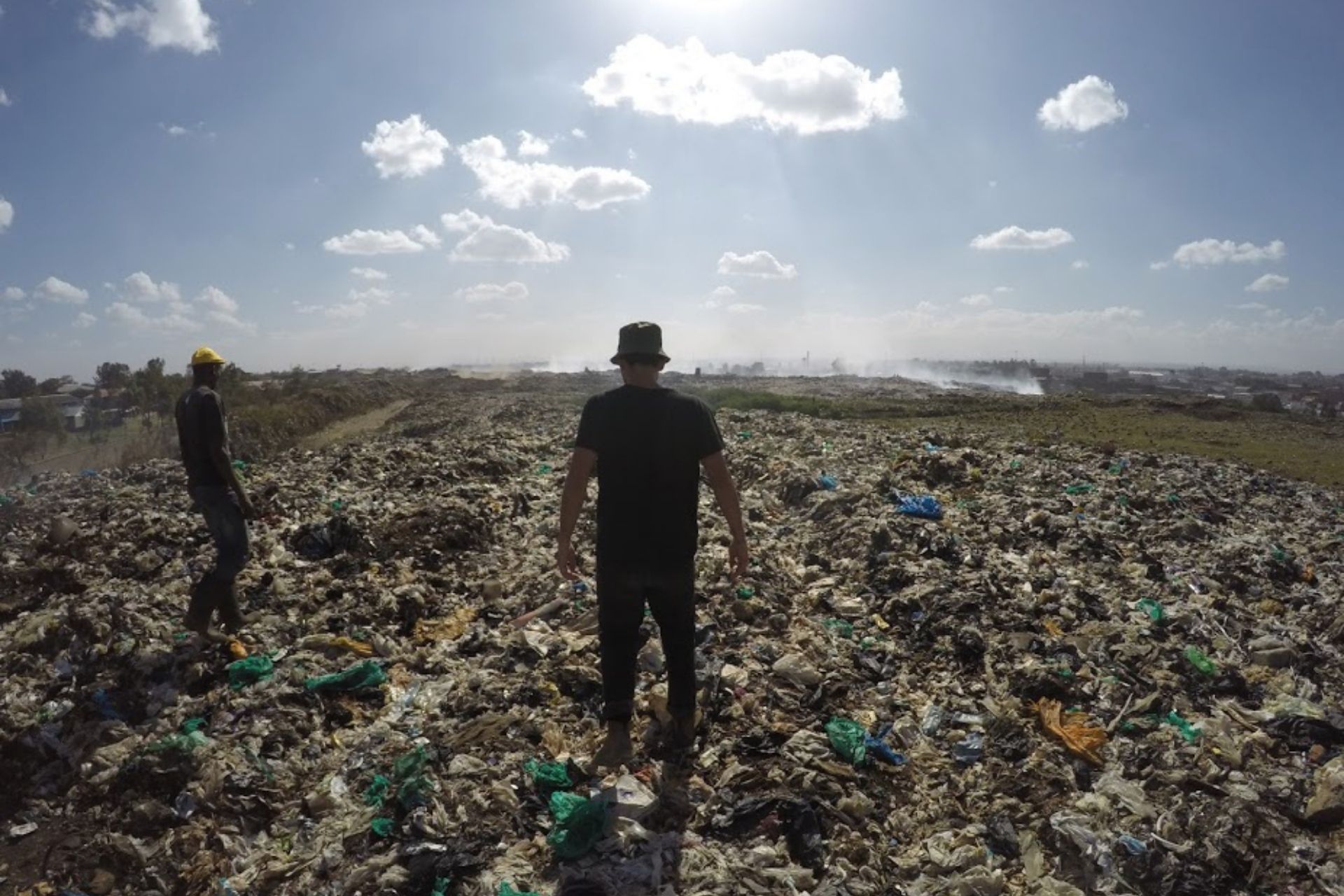
The world is full of plastic waste. Our members are fighting back. They contribute monthly, funding the development of new solutions. Each one shared open source, free for anyone in the world to use. Join and help build the most scalable way to fight plastic waste.
Become a member →Learn more